
The modern digital economy has changed the way people work. Today, millions of professionals earn money online through a freelance platform.
Businesses now hire skilled workers from different countries, while freelancers enjoy flexible schedules and remote opportunities. Whether you are a student, professional, or entrepreneur, understanding how a freelance platform works can help you succeed in the online marketplace.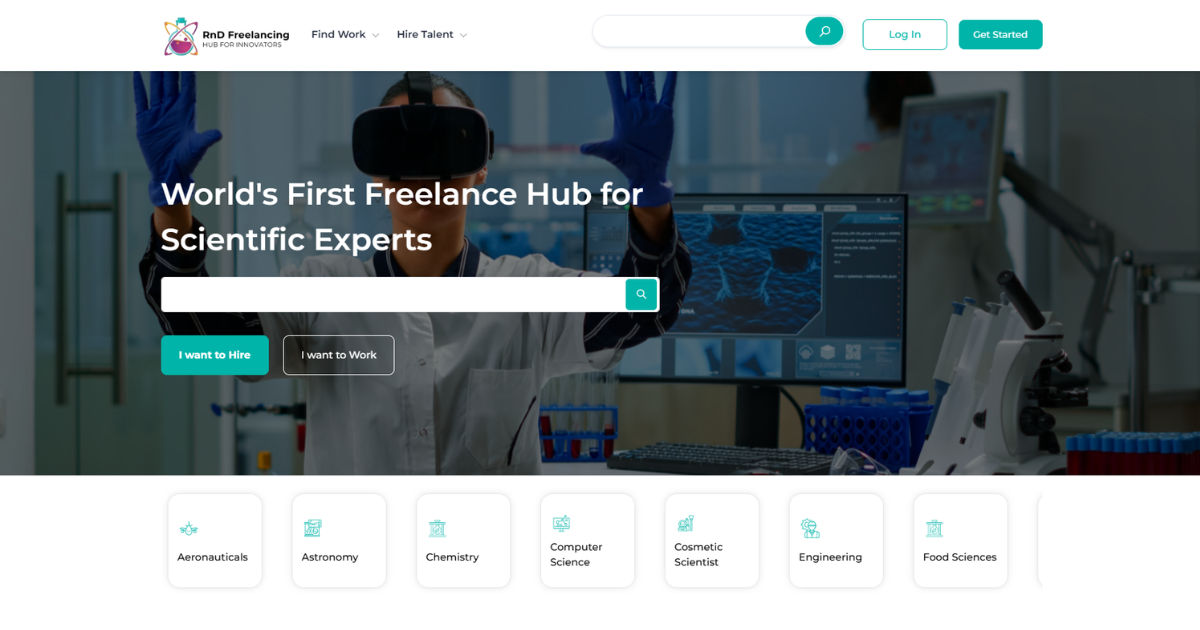
A freelance platform connects clients and freelancers in one digital space. Clients post projects, freelancers apply for jobs, and both parties work together online.
These platforms simplify hiring, communication, payments, and project management. Over the past decade, the popularity of the freelance platform industry has grown rapidly because companies want affordable talent and workers want flexible careers.
In this comprehensive guide, you will learn everything about how a freelance platform works, including its features, business model, payment systems, benefits, challenges, and tips for success.
What Is a Freelance Platform?
A freelance platform is an online marketplace where businesses and independent workers connect. Companies use these websites to hire people for short-term or long-term projects. Freelancers create profiles, showcase skills, and bid on available jobs.
These platforms act as a bridge between employers and freelancers. Instead of searching manually for workers, clients can quickly find experts in writing, programming, design, marketing, video editing, and many other services.
The main goal of a freelance platform is to make remote hiring easier, safer, and faster for everyone involved.
The History of the Freelance Platform Industry
Freelancing existed long before the internet. Writers, artists, and consultants often worked independently. However, finding clients was difficult and required personal networking.
The rise of the internet changed everything. The first online job marketplaces appeared in the late 1990s and early 2000s. These websites allowed freelancers to connect with clients worldwide.
Today, the freelance platform industry is worth billions of dollars. Remote work trends, digital businesses, and global internet access continue to drive its growth.
How a Freelance Platform Works Step by Step
Understanding the workflow of a freelance platform is important for both freelancers and clients.
Client Registration
The process begins when a client creates an account. Businesses provide company details, payment methods, and project requirements.
Clients can be:
- Small businesses
- Startups
- Large corporations
- Entrepreneurs
- Individuals
Once registered, clients can post jobs and hire freelancers.
Freelancer Registration
Freelancers also create profiles on the freelance platform. A professional profile usually includes:
- Skills
- Experience
- Portfolio
- Education
- Certifications
- Hourly rate
- Work history
A strong profile increases the chance of getting hired.
Posting a Job
Clients describe their project requirements. Job posts often include:
- Project details
- Budget
- Deadline
- Required skills
- Experience level
This allows freelancers to understand the project before applying.
Submitting Proposals
Freelancers send proposals to clients. A proposal usually includes:
- Introduction
- Relevant experience
- Price quote
- Estimated completion time
On many platforms, freelancers compete with others for the same project.
Hiring Process
Clients review applications and select the best freelancer. Some clients interview candidates before hiring.
After selection, both parties agree on:
- Payment terms
- Project scope
- Timeline
- Deliverables
Project Execution
The freelancer completes the assigned work. Most platforms provide communication tools such as:
- Messaging systems
- Video calls
- File sharing
- Task tracking
This helps both sides collaborate smoothly.
Payment and Delivery
Once the project is completed, the client reviews the work. If satisfied, payment is released through the freelance platform payment system.
Most platforms offer secure payment protection for both parties.
Reviews and Ratings
After project completion, clients and freelancers leave reviews. Ratings help build trust and reputation.
Positive reviews improve future hiring opportunities.
Types of Freelance Platforms
Different types of freelance platform websites serve different industries and audiences.
General Freelance Platforms
These platforms support many categories such as:
- Writing
- Programming
- Graphic design
- Marketing
- Translation
They are suitable for beginners and experienced freelancers.
Creative Freelance Platforms
Creative-focused platforms specialize in:
- Logo design
- Animation
- Video production
- Photography
Artists and designers often prefer these marketplaces.
Technical Freelance Platforms
Some platforms focus on technical skills like:
- Software development
- Cybersecurity
- Data science
- Artificial intelligence
These projects usually offer higher payments.
Microtask Platforms
A microtask freelance platform offers small jobs that require little time. Examples include:
- Data entry
- Surveys
- Simple graphic edits
- Product tagging
These are suitable for beginners.
Premium Freelance Platforms
Premium platforms screen freelancers before approval. Only skilled professionals are accepted.
These platforms often attract high-paying clients.
Key Features of a Freelance Platform
Every successful freelance platform includes several important features.
User Profiles
Profiles display freelancer skills, experience, and work history.
Job Listings
Clients can publish projects with complete details.
Messaging System
Built-in communication tools improve collaboration.
Payment Protection
Secure payment systems reduce fraud risks.
Rating and Review System
Reviews help maintain quality standards.
Search Filters
Clients can filter freelancers based on:
- Skills
- Price
- Experience
- Ratings
Escrow System
An escrow system holds payments until project completion.
Mobile Accessibility
Many users access a freelance platform through mobile apps for convenience.
Business Model of a Freelance Platform
A freelance platform earns money in several ways.
Commission Fees
Most platforms charge freelancers a percentage of project earnings.
Membership Plans
Premium subscriptions provide extra features such as:
- More proposals
- Better visibility
- Advanced analytics
Featured Listings
Clients may pay extra to promote job posts.
Advertisement Revenue
Some platforms display ads to generate additional income.
Payment Processing Fees
Transaction charges also contribute to revenue.
Benefits of Using a Freelance Platform
Both freelancers and clients benefit from using a freelance platform.
Benefits for Freelancers
Flexible Work Schedule
Freelancers choose their own working hours.
Global Opportunities
A freelancer can work with clients from different countries.
Income Potential
Skilled freelancers can earn substantial income.
Skill Development
Freelancers gain experience by working on diverse projects.
Remote Work Freedom
People can work from home or anywhere with internet access.
Benefits for Clients
Access to Global Talent
Businesses can hire experts worldwide.
Cost Savings
Hiring freelancers is often cheaper than full-time employees.
Faster Hiring Process
Clients quickly find qualified professionals.
Scalability
Businesses can hire freelancers as needed.
Specialized Skills
Clients gain access to niche expertise.
Challenges of a Freelance Platform
Despite many benefits, a freelance platform also has challenges.
Challenges for Freelancers
High Competition
New freelancers may struggle to win projects.
Payment Delays
Some clients delay approvals or payments.
Unstable Income
Freelancing income may vary monthly.
Fake Job Posts
Scam projects sometimes appear on platforms.
Platform Fees
Commission charges reduce overall earnings.
Challenges for Clients
Quality Control
Not all freelancers provide high-quality work.
Communication Issues
Different time zones and languages can create confusion.
Project Delays
Freelancers may fail to meet deadlines.
Security Risks
Sharing confidential information requires caution.
The Role of Trust in a Freelance Platform
Trust is one of the most important elements of a freelance platform.
Platforms build trust through:
- Identity verification
- Escrow payments
- Review systems
- Dispute resolution
- Secure messaging
Without trust, online freelancing would not function effectively.
How Freelancers Succeed on a Freelance Platform
Success on a freelance platform requires strategy and consistency.
Build a Strong Profile
A professional profile should include:
- Clear description
- Portfolio samples
- Relevant skills
- Professional photo
Write Personalized Proposals
Generic proposals rarely succeed. Tailored proposals show professionalism.
Maintain Communication
Quick and polite communication improves client relationships.
Deliver Quality Work
High-quality results lead to repeat clients and positive reviews.
Meet Deadlines
Timely delivery builds trust and credibility.
Improve Skills Continuously
Learning new skills increases earning potential.
How Clients Hire Successfully on a Freelance Platform
Clients also need smart hiring strategies.
Write Clear Job Descriptions
Detailed project requirements attract better freelancers.
Review Portfolios Carefully
Past work helps evaluate freelancer quality.
Conduct Interviews
Interviews clarify expectations before hiring.
Start with Small Projects
Testing freelancers with small tasks reduces risk.
Provide Feedback
Constructive feedback improves project outcomes.
Payment Systems in a Freelance Platform
Payments are a critical part of any freelance platform.
Hourly Payments
Freelancers charge based on hours worked.
Fixed-Price Projects
Clients pay a set amount for completed work.
Milestone Payments
Large projects are divided into smaller payment stages.
Escrow Protection
Funds remain secure until project approval.
Withdrawal Methods
Freelancers can withdraw earnings through:
- Bank transfer
- PayPal
- Digital wallets
- Cryptocurrency in some cases
Security Measures in a Freelance Platform
Security is essential for online work environments.
Most platforms use:
- Encrypted payments
- Identity verification
- Fraud detection systems
- Two-factor authentication
- Secure communication tools
These measures protect users from scams and data theft.
The Importance of Reviews and Ratings
Ratings influence hiring decisions heavily on a freelance platform.
Positive Reviews Help Freelancers
Good feedback increases credibility and visibility.
Honest Reviews Help Clients
Reviews help businesses avoid unreliable freelancers.
Reputation Builds Long-Term Success
Consistent quality creates strong professional reputations.
Freelance Platform vs Traditional Employment
There are major differences between a freelance platform and regular employment.
| Freelance Platform | Traditional Job |
|---|---|
| Flexible schedule | Fixed schedule |
| Remote work | Office-based |
| Multiple clients | Single employer |
| Variable income | Fixed salary |
| Independence | Company rules |
Each option has advantages and disadvantages.
Industries That Use Freelance Platforms
Many industries rely heavily on a freelance platform.
Technology
Developers and IT experts are in high demand.
Marketing
Businesses hire freelancers for SEO, advertising, and social media.
Writing and Content Creation
Content writers, editors, and bloggers find many opportunities.
Graphic Design
Designers create logos, websites, and marketing materials.
Video Production
Video editing and animation services continue growing rapidly.
Education
Tutors and online instructors also work through freelance marketplaces.
The Impact of Remote Work on Freelance Platforms
Remote work has significantly increased the popularity of the freelance platform model.
Companies now realize they can hire global talent without opening physical offices.
This shift offers benefits such as:
- Lower operational costs
- Greater flexibility
- Access to international expertise
The COVID-19 pandemic accelerated this transformation worldwide.
Artificial Intelligence and the Future of Freelance Platforms
Artificial intelligence is changing the future of every freelance platform.
AI tools now help with:
- Job matching
- Skill assessments
- Automated communication
- Fraud detection
- Productivity tracking
Some freelancers worry about automation replacing jobs. However, many experts believe AI will create new opportunities as well.
Freelancers who adapt to technology will remain competitive.
Tips for Beginners Joining a Freelance Platform
New freelancers often feel overwhelmed in the beginning.
Here are useful tips:
Start Small
Take beginner-friendly projects first.
Focus on One Skill
Specialization improves visibility.
Set Competitive Prices
Affordable pricing helps attract early clients.
Build a Portfolio
Showcase your best work samples.
Learn Client Communication
Professional communication is extremely important.
Stay Consistent
Success takes time and patience.
Common Mistakes Freelancers Make
Many beginners fail because of avoidable mistakes.
Applying for Every Job
Focus only on relevant projects.
Copy-Paste Proposals
Clients prefer personalized applications.
Ignoring Deadlines
Late delivery damages reputation.
Poor Communication
Unclear messages create misunderstandings.
Unrealistic Pricing
Charging too low or too high can hurt opportunities.
Common Mistakes Clients Make
Clients also make mistakes when using a freelance platform.
Vague Project Requirements
Unclear instructions lead to poor results.
Choosing Only Cheap Freelancers
Lowest price does not always mean best quality.
Delayed Responses
Slow communication delays projects.
Ignoring Contracts
Written agreements reduce misunderstandings.
Legal and Tax Considerations
Freelancers should understand legal responsibilities.
Important areas include:
- Tax reporting
- Contracts
- Intellectual property rights
- Payment agreements
Laws vary between countries, so freelancers should research local regulations.
How Freelance Platforms Handle Disputes
Disputes sometimes happen between clients and freelancers.
Most platforms provide dispute resolution services.
Common issues include:
- Missed deadlines
- Payment disagreements
- Poor-quality work
- Contract misunderstandings
The platform reviews evidence and decides fairly.
The Global Growth of Freelance Platforms
The global workforce is becoming more digital every year.
Millions of people now depend on a freelance platform for income.
Factors driving growth include:
- Faster internet
- Mobile technology
- Remote work acceptance
- Online education
- Global business expansion
Experts predict the freelance economy will continue growing rapidly.
How Businesses Benefit from Freelance Platforms
Businesses use a freelance platform for strategic advantages.
Faster Project Completion
Companies can quickly hire specialists.
Lower Hiring Costs
Freelancers reduce salary and office expenses.
On-Demand Talent
Businesses hire only when needed.
Innovation and Creativity
Freelancers bring fresh ideas and global perspectives.
How Students Can Use a Freelance Platform
Students increasingly use a freelance platform to earn money and gain experience.
Popular student freelancing jobs include:
- Content writing
- Graphic design
- Social media management
- Video editing
- Virtual assistance
Freelancing also helps students develop professional skills before graduation.
Mobile Apps and Freelance Platforms
Many users access a freelance platform through mobile applications.
Mobile apps allow users to:
- Apply for jobs
- Send messages
- Track payments
- Manage projects
This convenience improves productivity and accessibility.
Future Trends in Freelance Platforms
The future of the freelance platform industry looks promising.
Expected trends include:
- AI-powered hiring
- Blockchain payments
- Virtual collaboration tools
- Increased remote work
- Specialized niche platforms
As technology evolves, freelancing will become even more accessible worldwide.
Conclusion
The digital economy has transformed the global workforce, and the freelance platform industry is now a major part of modern business. These platforms connect skilled professionals with clients worldwide, creating opportunities for flexible work, global hiring, and online collaboration.
A freelance platform simplifies every stage of the hiring process, including job posting, communication, payments, project management, and dispute resolution. Freelancers benefit from freedom and global opportunities, while businesses gain access to affordable and specialized talent.
However, success on a freelance platform requires effort, patience, professionalism, and continuous learning. Freelancers must build strong profiles, communicate effectively, and deliver quality work. Clients must provide clear instructions and choose skilled professionals carefully.
As remote work continues to expand, the importance of the freelance platform industry will only grow stronger. Technology, artificial intelligence, and global internet access are shaping a future where freelancing becomes a normal part of professional life.
Whether you are a student, entrepreneur, or experienced professional, understanding how a freelance platform works can open doors to countless opportunities in the digital world.