Category: Pets

Troubleshooting Common Issues with Automatic Pet Feeders: Tips & Tricks for Pet OwnersTroubleshooting Common Issues with Automatic Pet Feeders: Tips & Tricks for Pet Owners

In this comprehensive guide, we delve into the world of automatic pet feeders, addressing the common challenges that pet owners might encounter with these devices. From food dispensing issues to power and connectivity problems, we provide valuable insights and effective troubleshooting tips to ensure your furry companions always receive the right nourishment at the right time.

Part 1. Understanding Automatic Pet Feeders

Definition and purpose of automatic pet feeders

Automatic pet feeders are automated devices designed to dispense food for pets at predetermined intervals, ensuring they receive timely meals even when their owners are away. These feeders are equipped with various features such as programmable feeding schedules and portion control, offering convenience and consistency in pet feeding routines.

Different types of automatic pet feeders available in the market

The market boasts a diverse array of automatic pet feeders, ranging from basic gravity-fed models to sophisticated electronic feeders equipped with customizable settings and smart technology integration. Some popular types include portion control feeders, timed feeders, and Wi-Fi-enabled feeders that can be controlled remotely via smartphones.

Advantages of using automatic pet feeders for busy pet owners

Automatic pet feeders serve as a boon for pet owners with hectic schedules, enabling them to maintain a regular feeding routine for their pets even in their absence. These devices promote portion control, preventing overeating or underfeeding, and can significantly reduce the stress and worry associated with ensuring that pets are adequately nourished throughout the day.

Part 2. Common Issues Faced by Pet Owners with Automatic Pet Feeders

1. Food Dispensing Problems

Food jamming or clogging within the feeder

One of the most common issues encountered with automatic pet feeders is the occurrence of food jamming or clogging within the feeder's dispensing mechanism. This can disrupt the feeding schedule and leave pets hungry or overfed. To tackle this, regularly inspect and clean the feeder's food storage and dispensing components to prevent any accumulation of debris or moisture that could lead to blockages.
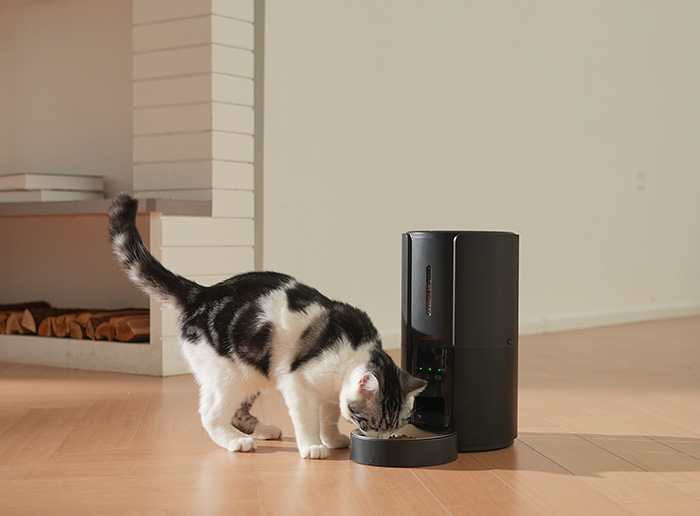
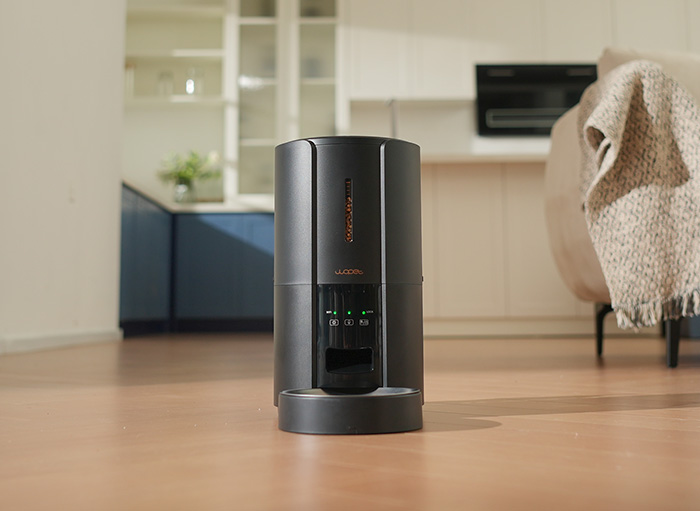
wopet automatic pet feeder

Inconsistent or inaccurate food portioning

Another prent concern is the inconsistency or inaccuracy in food portioning, which can lead to nutritional imbalances or overconsumption. To address this issue, carefully calibrate the feeder's portion control settings, ensuring they accurately correspond to your pet's dietary requirements and portion sizes.

2. Power and Connectivity Issues

Dealing with power outages and battery failures

Power outages or battery failures can disrupt the automated functionality of pet feeders, causing delays or complete cessation of food dispensing. To counter this, consider using battery backups or uninterrupted power supply (UPS) systems to ensure uninterrupted operation during power fluctuations or outages.
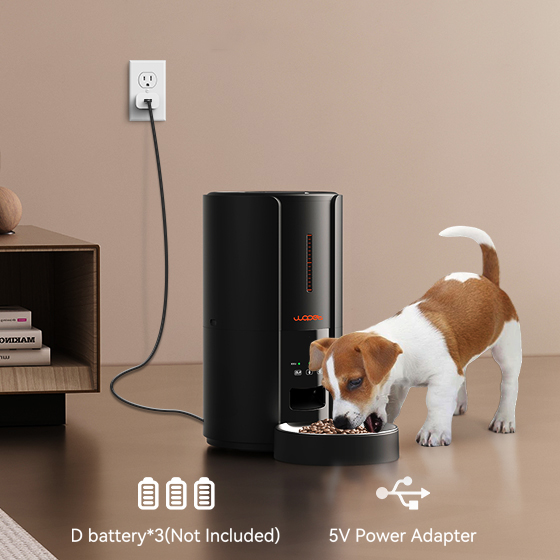
wopet automatic dog feeder dual power apply

Troubleshooting Wi-Fi connectivity problems

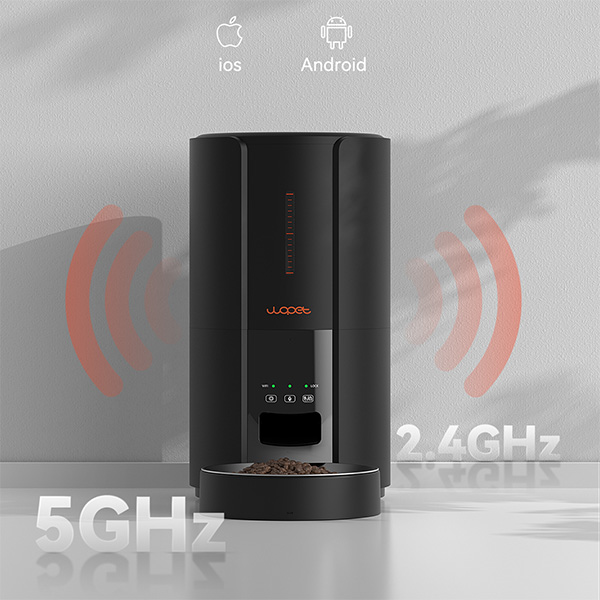
For Wi-Fi-enabled feeders, connectivity issues can hinder remote access and control, affecting the ability to monitor and adjust feeding schedules. To troubleshoot this, ensure the feeder is within the range of a stable Wi-Fi signal and consider employing signal boosters or relocating the feeder to an area with stronger connectivity.

3. Mechanical Malfunctions

Identifying and resolving motor or gear-related issues

Mechanical malfunctions, such as motor or gear-related problems, can impede the smooth functioning of the feeder, leading to irregular or halted food dispensing. Regularly inspect the feeder's mechanical components for signs of wear and tear, and promptly lubricate or replace any damaged parts to maintain optimal performance.

Handling physical damages or breakages in the feeder structure

Physical damages or breakages in the feeder structure can compromise its integrity, potentially posing safety hazards for pets and hindering the feeding process. It is crucial to conduct routine inspections for any structural damages and promptly repair or replace any compromised parts to ensure the feeder's safety and longevity.

Part 3. Tips and Tricks for Troubleshooting Automatic Pet Feeder Issues

1. Routine Maintenance Practices

Cleaning and lubricating the feeder components regularly

Regular cleaning and lubrication of the feeder components are essential to prevent the accumulation of dirt, dust, or food particles that can lead to blockages or mechanical failures. Follow the manufacturer's guidelines for proper cleaning procedures and use pet-safe lubricants to maintain smooth and efficient operation.

Conducting thorough inspections for wear and tear

Frequent inspections for wear and tear are crucial in identifying potential issues before they escalate into significant malfunctions. Check for any signs of corrosion, rust, or physical damage, and address these issues promptly to prolong the lifespan of the feeder and ensure the safety of your pets.

2. Adjusting Portion Sizes and Feeding Schedules

Understanding the importance of appropriate portion sizes for different pets

Recognizing the varying dietary requirements of different pets is key to maintaining their overall health and well-being. Consult with a veterinarian to determine the ideal portion sizes for your pet's breed, size, and activity level, and adjust the feeder's settings accordingly to prevent overfeeding or nutritional deficiencies.
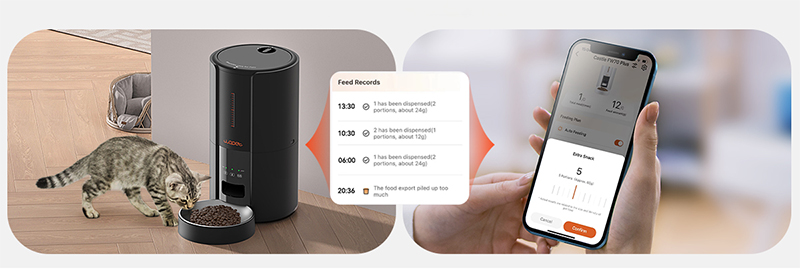
wopet auto cat feeder food dispensing

Creating a consistent and reliable feeding schedule for pets

Establishing a consistent feeding schedule promotes a sense of routine and predictability for your pets, contributing to their overall behavior and well-being. Set up a feeding schedule that aligns with your pet's natural habits and adhere to it diligently, ensuring that the automatic pet feeder dispenses meals at the designated times to maintain a stable feeding routine.

3. Addressing Power and Connectivity Problems

Implementing backup power solutions for emergencies

To mitigate the impact of power outages or battery failures, consider incorporating backup power solutions such as rechargeable batteries or alternative power sources to ensure uninterrupted operation of the feeder during unforeseen circumstances.

Enhancing Wi-Fi signal strength for seamless connectivity

To enhance the feeder's Wi-Fi connectivity and minimize signal disruptions, position the feeder in an area with optimal Wi-Fi coverage and consider installing Wi-Fi extenders or repeaters to amplify the signal strength, ensuring seamless remote access and control of the feeder via compatible devices.

Part 4. Conclusion

Automatic pet feeders have undoubtedly simplified the process of pet care, offering convenience and peace of mind for busy pet owners. However, understanding the common issues that can arise with these devices and implementing effective troubleshooting measures is essential to ensure the well-being and nourishment of our beloved furry companions. By adhering to the maintenance tips and troubleshooting strategies outlined in this guide, you can proactively address any challenges and enjoy a seamless and reliable feeding experience for your pets, fostering their health and happiness in the long run.

Source: https://wopet.com/cats/troubleshooting-common-issues-with-automatic-pet-feeders/
Benefits of Using an App-Controlled Automatic Cat FeederBenefits of Using an App-Controlled Automatic Cat Feeder

In this article, we'll explore the advantages of using APP-controlled automatic cat feeders, including the convenience they bring to your pet's feeding routine and the peace of mind they offer to pet owners.

Benefits of Using an App-Controlled Automatic Cat Feeder

1. Ultimate Convenience with WiFi Connectivity

The introduction of WiFi cat feeders has ushered in an era of unparalleled convenience for pet owners. With the ability to connect these feeders to your smartphone, you can monitor and control your pet's feeding schedule from anywhere, anytime. This means no more rushing home to feed your cat or worrying about their meals when you're away. Simply use the dedicated app to set feeding times, portion sizes, and even dispense food remotely, ensuring your pet's dietary needs are met effortlessly.

2. Ensure Timely and Consistent Feeding

Automatic cat feeders, especially those controlled through a mobile app, offer precise scheduling capabilities. You can establish a regular feeding routine that aligns perfectly with your pet's needs. Whether your cat requires multiple small meals throughout the day or a single serving at a specific time, these smart feeders have got you covered. This consistency in feeding helps maintain your pet's health and can be especially beneficial for those with dietary restrictions or medical conditions.

3. Eliminate Overfeeding and Obesity Concerns

One of the major concerns for pet owners is overfeeding. With manual feeding, it's easy to accidentally give your pet too much food. APP-controlled pet feeders come with portion control settings, allowing you to dispense the precise amount of food your pet needs. This feature is invaluable in preventing overfeeding, promoting weight management, and reducing the risk of obesity, which can lead to various health problems in pets.

4. Peace of Mind When You're Away

Life often takes us away from home, whether it's for work, vacations, or other commitments. With an automatic cat feeder connected to your smartphone, you can feed your pet and check on them remotely, providing peace of mind that your furry companion is well cared for even in your absence. Additionally, many feeders offer camera integration, allowing you to see your pet and interact with them while you're away, further strengthening the bond between you and your beloved animal.

5. Customized Feeding Schedules

Every pet is unique, with its dietary preferences and needs. APP-controlled pet feeders allow you to customize feeding schedules and portion sizes according to your pet's requirements. Whether you have a finicky eater who prefers small, frequent meals or a pet with specific dietary restrictions, you can tailor the feeder to meet their individual needs, ensuring they receive the best care possible.

Get 13% OFF Discount Using the Code: Article13OFF

How to Choose An Automatic Pet Feeder with App control?

With so many options available, how do you choose the perfect pet feeder for your furry friend? We will help you navigate to make an informed decision.

1. Understand Your Pet's Needs

Before diving into the world of app-controlled pet feeders, it's essential to understand your pet's unique needs.

2. App Compatibility

The heart of an WiFi feeder is its companion mobile app. It's crucial to choose a feeder with a user-friendly and reliable app that suits your preferences.

3. Feeding Control

The ability to control portion sizes and feeding schedules is a significant advantage of pet feeders with app control.

4. Food Storage and Freshness

The type and capacity of food storage can significantly impact your pet's well-being.

5. Power Source and Backup

Consider the power source and backup options to ensure your pet is never left hungry due to technical issues.

WOpet Castle smart pet feeder fully meets the above requirements. This state-of-the-art device is designed to simplify your pet's feeding routine while offering a host of incredible features that make pet parenting a breeze.

1Convenient APP Control

The feeder's' user-friendly mobile app lets you customize feeding times, portion sizes, and meal frequencies effortlessly.

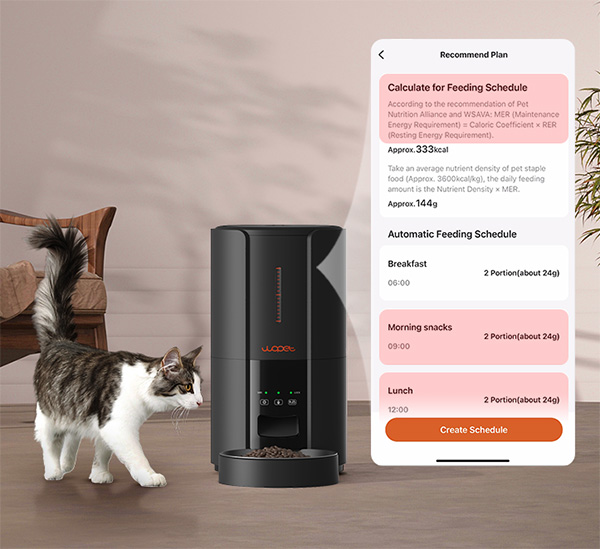
2Feeding Schedule Recommendations

WOpet smart pet feeder offers personalized feeding schedule recommendations based on your pet's breed, age, weight, and dietary requirements.

wopet app control pet feeder feeding plan

3Personalized Meal-Time Message

Record your voice and let your pet hear your comforting tone as it's time to eat. It's the perfect way to create a bond and excitement during mealtime.

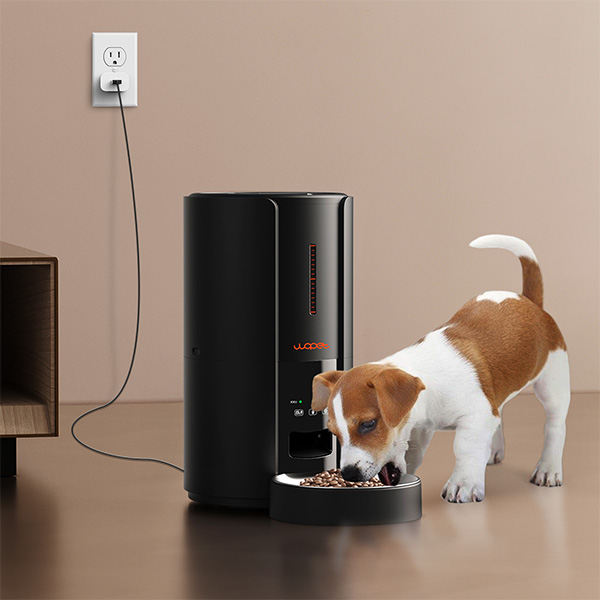
4Dual Power Supply

The pet feeder is equipped with dual power supply options, ensuring uninterrupted dispensing even during power outages.

wopet wifi feeder dual power supply

5Food Freshness Maintenance

The desiccant integrated into the automatic pet feeder lid collaborates with the rubber seal to prolong the food's freshness.

In conclusion, the benefits of using APP-controlled pet feeders are undeniable. They offer unrivaled convenience, precision in feeding, and peace of mind to pet owners. By eliminating overfeeding concerns and providing a customizable feeding experience, these smart devices contribute to the overall health and happiness of your furry companions. Embrace the future of pet care with pet feeders and provide your pets with the care they deserve.

Source: https://wopet.com/cats/benefits-of-using-app-controlled-automatic-cat-feeder/

How to Introduce Your Pet to a New Automatic Feeder: A Step-by-Step GuideHow to Introduce Your Pet to a New Automatic Feeder: A Step-by-Step Guide

Proper pet feeding is essential for maintaining their overall health and well-being. It directly impacts their energy levels, weight management, and even their behavior. Ensuring that your pet receives the right nutrients in the right amounts is crucial for their growth and development.

Automatic feeders offer a convenient solution for busy pet owners, ensuring that their pets receive timely and accurate portions of food even when they're not around. These devices can help regulate feeding schedules, prevent overeating, and provide a consistent routine for your furry companions.

Part 1. Understanding Your Pet's Feeding Habits

Recognizing your pet's current feeding routine

Before introducing an automatic feeder, it's important to observe and understand your pet's existing eating habits. This includes the times they prefer to eat, their portion sizes, and any specific behaviors associated with mealtime.

pets feeding routine

Identifying any specific dietary requirements

Some pets may have specific dietary needs due to health conditions or allergies. It's crucial to consult with a veterinarian to determine if any special dietary considerations should be accounted for when setting up the automatic feeder.

Determining the appropriate feeding schedule

Establishing a consistent feeding schedule is crucial for maintaining your pet's digestive health. Take into account their age, size, and activity levels to determine the most suitable feeding times and portion sizes for your pet.

Part 2. Choosing the Right Automatic Feeder

Factors to consider when selecting an automatic feeder

Consider factors such as your pet's size, dietary needs, and the number of pets you have when choosing the right automatic cat feeder. Additionally, think about the feeder's capacity, ease of cleaning, and programming capabilities.

Reviewing different types of automatic feeders available

There are various types of automatic feeders, including gravity-based feeders, programmable electronic feeders, and smart feeders with advanced features. Understanding the pros and cons of each type can help you make an informed decision.

wopet automatic cat feeders

Highlighting key features to look for in an automatic feeder

Look for features such as portion control, customizable feeding schedules, easy-to-clean components, durable materials, and reliable programming to ensure that the automatic feeder meets your pet's specific requirements.

Part 3. Preparing Your Pet for the Transition

Familiarizing your pet with the new feeder's presence

Introduce the automatic feeder gradually to help your pet get accustomed to its presence in the designated feeding area. Let them explore and investigate the device at their own pace.

Establishing a positive association with the feeder

Encourage your pet's curiosity by placing treats or familiar scents near the feeder. This can help create a positive association, making them more receptive to the new feeding method.

establish a positive association with feeder

Gradually adjusting your pet's feeding schedule

Start making small adjustments to your pet's feeding schedule a few days before introducing the automatic feeder. This will help them anticipate changes and adjust to the new routine more smoothly.

Part 4. Step-by-Step Process for Introducing the New Feeder

Initial introduction and demonstration of the feeder

Show your pet how the automatic feeder operates, allowing them to observe the dispensing mechanism and the sound it makes. Use positive reinforcement techniques, such as praise or treats, to create a positive association with the feeder.

Implementing a gradual transition from manual to automatic feeding

Begin by integrating the automatic feeder into your pet's feeding routine alongside their regular feeding schedule. Slowly increase the proportion of food dispensed by the automatic feeder while decreasing the amount provided manually.

Monitoring your pet's response and behavior during the transition

Observe your pet's reaction to the automatic feeder closely. Look for any signs of discomfort, hesitation, or excitement. Adjust the feeding process accordingly to ensure that your pet feels comfortable and confident using the new device.

Part 5. Final Tips for Successful Adoption of the Automatic Feeder

Encouraging positive reinforcement and patience throughout the process

Continue to provide positive reinforcement, encouragement, and patience as your pet adjusts to the new feeding system. Celebrate small milestones and offer rewards to reinforce their positive behavior.

wopet automatic dog feeder

Incorporating play and interaction during feeding times

Use mealtime as an opportunity for bonding by incorporating interactive toys or engaging activities that stimulate your pet's mental and physical well-being. This can help create a positive association with the feeding experience.

Sustaining a healthy and balanced lifestyle for your pet

Regularly monitor your pet's weight, energy levels, and overall well-being to ensure that the automatic feeder is supporting their nutritional needs. Adjust the feeding schedule and portion sizes as needed to maintain a healthy and balanced diet.

Source: https://wopet.com/cats/how-to-introduce-your-pet-to-a-new-automatic-feeder/

Fast Breathing in Dogs Is It Normal or Cause for Concern Fast Breathing in Dogs Is It Normal or Cause for Concern 

When you notice your dog breathing rapidly, it’s easy to wonder if it’s just excitement or something more serious. While fast breathing can often be a normal reaction to play or heat, it’s crucial to pay attention to the context and any accompanying signs. If your dog seems restless or shows unusual behavior, it might be time to investigate further. Understanding the nuances of dog breathing patterns can help you determine whether you should be concerned or if it’s just part of their natural response. What could these signs indicate about your pet’s health?

Understanding Dog Breathing Patterns

When you observe your dog, understanding their breathing patterns can provide insight into their health and emotional state. Dogs typically breathe at a rate of 10 to 30 breaths per minute when relaxed. However, shifts in this rate can signal underlying issues. For instance, if your dog’s breathing becomes rapid while they’re resting, it might indicate stress or discomfort.

Take note of whether your dog’s breaths are shallow or deep. Shallow breathing can suggest anxiety or pain, while deep, rhythmic breathing often signals relaxation.

Pay attention to how your dog breathes during various activities. If they pant heavily after a short walk, that could be a sign of exhaustion or heat stress.

You should also observe their posture. A dog that’s standing tense with rapid breaths may be feeling agitated, whereas a relaxed dog will often breathe more slowly and evenly while lying down.

Keep a close eye on changes in these patterns, as they can help you gauge your dog’s overall well-being. By being attentive, you’ll be better equipped to identify when it’s time to consult a veterinarian for further evaluation.

Common Causes of Fast Breathing

Fast breathing in dogs can stem from various causes, some of which may require your immediate attention.

One common reason is excitement or anxiety. If your dog just had a play session or is anticipating a walk, you might notice them panting or breathing rapidly.

Another significant cause is heat. Dogs can’t sweat like humans, so they rely on panting to cool down. If it’s a hot day or your dog has been exercising, fast breathing can signal overheating, which is dangerous.

Pain or discomfort can also lead to rapid breathing. If your dog’s hurt or feeling unwell, watch for other signs like whining or lethargy.

Additionally, respiratory issues, such as infections or allergies, can cause fast breathing as your dog struggles to get enough air.

When Fast Breathing Is Normal

In certain situations, rapid breathing in dogs can be completely normal and not a cause for concern. You’ll often notice this during specific activities or environmental changes. Understanding these situations can help you gauge whether your dog’s fast breathing is a natural response.

Here’s a quick reference table for you:

Situation Description Duration
Exercise After play or a vigorous walk, why is my dog breathing fast may breathe fast to cool down. Typically a few minutes
Excitement Fast breathing can occur when your dog is excited, such as during greetings or playtime. Usually brief
Hot Weather Dogs might breathe rapidly to regulate their body temperature in warm conditions. Varies, but often temporary
Stress or Anxiety A sudden stressful event can trigger fast breathing, which often subsides once the stressor is gone. Short-lived

Keep an eye on your pup’s behavior in these situations. If they return to normal breathing after a short period, it’s likely just a natural reaction. Always observe your dog’s overall demeanor to ensure they’re comfortable and happy.

Signs of Concern to Watch For

Rapid breathing can sometimes signal a problem, so it’s crucial to recognize signs of concern. If your dog’s breathing seems excessively rapid and doesn’t improve after resting, pay close attention.

Monitor for any changes in behavior, such as lethargy or reluctance to engage in activities they usually enjoy. If they seem restless or anxious, it could indicate discomfort or distress.

Watch for additional symptoms like coughing, wheezing, or labored breathing. These can signal underlying respiratory issues. If your dog’s gums appear pale or blue, that’s a red flag indicating potential oxygen deprivation.

Also, keep an eye on their appetite. A sudden loss of interest in food can accompany respiratory problems.

Another sign to consider is excessive panting, especially if it occurs without obvious triggers like heat or exercise. If your dog is drooling excessively or showing signs of pain—like whining or difficulty lying down—these could also be indicators of a more serious condition.

When to Seek Veterinary Care

Recognizing when to seek veterinary care for your dog’s breathing issues can make a significant difference in their health. If you notice that your dog is breathing rapidly while resting, it’s crucial to take action. Rapid breathing, or tachypnea, can indicate underlying problems, especially if combined with other concerning signs.

Pay attention if your dog exhibits labored breathing, such as struggling to inhale or exhale, or if they’ve a bluish tint to their gums or tongue. These symptoms suggest a potential emergency that requires immediate attention.

Additionally, if your dog seems unusually lethargic, refuses to eat, or has a persistent cough, don’t hesitate to contact your vet.

Keep an eye on the duration of the fast breathing. If it lasts more than a few minutes or occurs frequently, it’s best to get a professional opinion.

Conclusion

In conclusion, while fast breathing in dogs can often be a normal reaction to excitement or heat, it’s crucial to stay vigilant. If you notice your dog’s rapid breathing persists during rest or is accompanied by concerning signs like lethargy or coughing, don’t hesitate to seek veterinary care. By monitoring your dog’s behavior and breathing patterns, you can ensure their health and well-being, catching any potential issues early on. Your furry friend relies on you for their safety!