Author: AsimAli

What does a financial advisor do?What does a financial advisor do?

Money decisions affect almost every part of life. From saving for college to planning retirement, people often need guidance to manage their finances wisely.

This is where a financial advisor becomes important. A skilled financial advisor helps individuals, families, and businesses make smart money decisions that support their goals and future plans.

Many people think a financial advisor only helps wealthy individuals invest in the stock market. In reality, a financial advisor does much more. They help create budgets, reduce debt, plan taxes, manage retirement accounts, choose insurance policies, and prepare for emergencies. A trusted financial advisor can guide clients through both good financial times and difficult situations.

In today’s complex economy, financial planning has become more important than ever. Rising living costs, inflation, changing tax laws, and retirement concerns make it harder for people to manage money on their own. A professional financial advisor provides expert advice and personalized strategies that can improve long-term financial stability.

This guide explains everything you need to know about what a financial advisor does, the services they provide, the different types of advisors, and how they help people achieve financial success.

Understanding the Role of a Financial Advisor

A financial advisor is a professional who helps clients manage their money and make informed financial decisions. Their main goal is to help people improve their financial health and achieve short-term and long-term goals.

Some clients may want to save for a house, while others may need retirement planning or investment advice. A financial advisor studies a client’s financial situation and creates a customized strategy.

The work of a financial advisor often includes:

  • Creating financial plans
  • Managing investments
  • Helping with retirement planning
  • Advising on insurance
  • Reducing financial risks
  • Offering tax strategies
  • Assisting with estate planning
  • Helping clients manage debt

A good financial advisor focuses on both current needs and future goals. They help clients stay disciplined and avoid emotional financial decisions.

Why People Hire a Financial Advisor

Many people hire a financial advisor because managing money can be confusing and stressful. Financial products, investment choices, and tax rules are constantly changing.

A professional financial advisor provides knowledge and experience that most people do not have. They help clients avoid costly mistakes and make better decisions.

Here are some common reasons people work with a financial advisor:

Retirement Planning

Retirement planning is one of the biggest reasons people seek help from a financial advisor. Advisors help clients determine how much money they need to retire comfortably and create strategies to reach those goals.

Investment Guidance

Investing without proper knowledge can be risky. A financial advisor helps clients build diversified investment portfolios based on their risk tolerance and financial goals.

Tax Planning

Taxes can reduce investment returns and savings. A knowledgeable financial advisor suggests tax-efficient strategies that may help clients keep more of their money.

Budgeting and Saving

Some people struggle to manage spending and savings. A financial advisor can create practical budgets and savings plans that improve financial habits.

Major Life Events

Marriage, having children, buying a house, or starting a business often require financial planning. A financial advisor helps clients navigate these important life changes.

Types of Financial Advisors

Not every financial advisor works the same way. Different advisors specialize in different areas of finance.

Certified Financial Planner (CFP)

A Certified Financial Planner is a highly trained financial advisor who has completed special education and certification requirements. CFP professionals usually provide complete financial planning services.

Investment Advisor

An investment-focused financial advisor helps clients choose and manage investments such as stocks, bonds, and mutual funds.

Wealth Manager

A wealth management financial advisor typically works with high-net-worth individuals and families. They provide services related to investments, taxes, and estate planning.

Robo-Advisor

Technology has created digital platforms known as robo-advisors. These automated systems offer basic investment management at lower costs than a traditional financial advisor.

Insurance Advisor

Some advisors specialize in insurance products. This type of financial advisor helps clients select life insurance, health insurance, and long-term care coverage.

Main Services Offered by a Financial Advisor

A professional financial advisor provides many different services depending on the client’s needs.

Financial Planning

Financial planning is the foundation of an advisor’s work. A financial advisor reviews income, expenses, debts, savings, and future goals before creating a plan.

The plan may include:

  • Savings goals
  • Emergency funds
  • Debt repayment strategies
  • Investment recommendations
  • Retirement contributions

Financial planning gives clients a roadmap for their financial future.

Investment Management

Investment management is one of the most recognized services offered by a financial advisor. Advisors help clients grow wealth through investments while managing risks.

Investment strategies usually depend on:

  • Age
  • Income
  • Financial goals
  • Risk tolerance
  • Time horizon

A financial advisor monitors investments regularly and adjusts portfolios when necessary.

Retirement Planning

Retirement planning requires careful preparation. A financial advisor helps estimate future expenses and calculates how much clients should save.

Retirement planning often includes:

  • Pension analysis
  • Retirement account management
  • Social Security planning
  • Withdrawal strategies

A knowledgeable financial advisor helps clients avoid running out of money during retirement.

Estate Planning

Estate planning focuses on how wealth is transferred after death. A financial advisor may work with attorneys to help clients create wills, trusts, and inheritance plans.

Estate planning helps:

  • Protect family assets
  • Reduce taxes
  • Avoid legal disputes
  • Support charitable giving

Risk Management

Unexpected events can create financial problems. A financial advisor helps clients prepare for emergencies through proper insurance and risk management strategies.

This may include:

  • Health insurance
  • Disability insurance
  • Life insurance
  • Property insurance

A responsible financial advisor ensures clients are financially protected.

Tax Planning

Taxes affect income, investments, and retirement savings. A financial advisor helps clients develop tax-efficient financial strategies.

Examples include:

  • Tax-loss harvesting
  • Retirement account contributions
  • Capital gains management
  • Charitable deductions

Tax planning can increase long-term savings.

How a Financial Advisor Creates a Financial Plan

A professional financial advisor usually follows a step-by-step process when helping clients.

Step 1: Understanding the Client

The advisor begins by learning about the client’s income, expenses, goals, family situation, and financial concerns.

Step 2: Reviewing Financial Documents

A financial advisor analyzes bank accounts, investments, insurance policies, loans, and tax returns.

Step 3: Identifying Goals

Clients may want to buy a home, retire early, or pay for education. A financial advisor helps prioritize these goals.

Step 4: Creating Recommendations

The advisor creates customized recommendations based on the client’s financial situation.

Step 5: Implementing the Plan

After approval, the financial advisor helps put the financial plan into action.

Step 6: Monitoring Progress

Financial plans change over time. A financial advisor reviews progress regularly and adjusts strategies when necessary.

Skills Every Financial Advisor Needs

A successful financial advisor needs technical knowledge and strong personal skills.

Communication Skills

A financial advisor must explain complex financial topics in simple language.

Analytical Thinking

Financial planning requires careful analysis of numbers, risks, and opportunities.

Problem-Solving Ability

Every client has unique financial challenges. A skilled financial advisor develops customized solutions.

Trustworthiness

Clients share personal financial information with their advisor. Trust and honesty are essential qualities.

Patience

Financial success often takes years. A good financial advisor helps clients stay focused and disciplined.

How Financial Advisors Get Paid

Understanding advisor fees is important before hiring a financial advisor.

Fee-Only Advisors

These advisors charge flat fees, hourly rates, or a percentage of assets managed.

Commission-Based Advisors

Some advisors earn commissions from selling financial products such as insurance or investments.

Fee-Based Advisors

A fee-based financial advisor may charge both fees and commissions.

Clients should always ask about payment structures before choosing an advisor.

Benefits of Working With a Financial Advisor

There are many advantages to hiring a professional financial advisor.

Better Financial Organization

A financial advisor helps organize financial accounts, investments, debts, and savings plans.

Reduced Stress

Managing money alone can feel overwhelming. A trusted financial advisor provides guidance and confidence.

Improved Investment Decisions

Professional investment advice may help clients avoid emotional or risky decisions.

Long-Term Financial Growth

A disciplined financial plan created by a financial advisor can support long-term wealth building.

Accountability

Many people struggle to follow financial plans consistently. A financial advisor helps clients stay committed to their goals.

Common Misconceptions About Financial Advisors

There are several myths about working with a financial advisor.

Only Rich People Need Advisors

This is false. A financial advisor can help people at many income levels.

Advisors Guarantee Profits

No financial advisor can guarantee investment returns because markets can change unpredictably.

Financial Planning Is Only About Investing

A financial advisor helps with many financial areas beyond investing.

Advisors Are Too Expensive

Some advisors offer affordable services for beginners and young professionals.

When Should You Hire a Financial Advisor?

There is no perfect age to hire a financial advisor. However, certain situations make professional guidance especially valuable.

You may benefit from a financial advisor if you:

  • Are planning for retirement
  • Recently received an inheritance
  • Started a business
  • Need help managing debt
  • Want investment guidance
  • Are going through divorce or marriage
  • Need tax planning support

Even young adults can benefit from early financial planning.

Questions to Ask Before Hiring a Financial Advisor

Choosing the right financial advisor is important. Clients should ask several questions before making a decision.

What Are Your Qualifications?

Ask about licenses, certifications, and education.

How Do You Get Paid?

Understanding compensation helps avoid conflicts of interest.

What Services Do You Offer?

Not every financial advisor provides complete financial planning.

What Is Your Investment Philosophy?

Different advisors use different investment strategies.

Are You a Fiduciary?

A fiduciary financial advisor must legally act in the client’s best interest.

Difference Between Financial Advisors and Financial Planners

People often confuse these terms. While they are similar, there can be differences.

A financial advisor is a broad term for professionals who help manage finances. A financial planner usually focuses more on creating detailed financial plans.

Some professionals perform both roles.

Technology and Modern Financial Advisors

Technology has changed the financial industry significantly. Many advisors now use advanced software to analyze investments and track financial progress.

Modern tools help a financial advisor:

  • Monitor portfolios
  • Analyze market trends
  • Create financial reports
  • Communicate with clients online

Virtual meetings also make financial advice more accessible.

Challenges Financial Advisors Face

The work of a financial advisor can be demanding.

Market Volatility

Economic uncertainty can make investment management difficult.

Changing Regulations

Financial laws and tax rules change regularly.

Building Client Trust

Clients expect honesty and transparency from their advisor.

Emotional Clients

Fear and greed often affect financial decisions. A financial advisor helps clients remain calm during market changes.

Ethical Responsibilities of a Financial Advisor

Ethics are extremely important in financial advising. A professional financial advisor should always prioritize the client’s best interests.

Ethical advisors provide:

  • Honest recommendations
  • Transparent fee structures
  • Clear communication
  • Confidentiality
  • Responsible financial advice

Clients should avoid advisors who pressure them into risky products or unrealistic promises.

Financial Advisors and Young Adults

Young adults often believe they do not need a financial advisor because they have limited income or savings. However, starting financial planning early can provide major long-term benefits.

A financial advisor can help young adults:

  • Build emergency savings
  • Create budgets
  • Manage student loans
  • Start investing early
  • Improve credit scores

The earlier good financial habits begin, the better the future results may be.

Financial Advisors and Small Businesses

Business owners also work with a financial advisor for planning and growth.

Business financial advice may include:

  • Cash flow management
  • Tax planning
  • Employee retirement plans
  • Business succession planning
  • Investment strategies

A qualified financial advisor can support both personal and business financial goals.

How to Become a Financial Advisor

Many people are interested in becoming a financial advisor because it offers strong career opportunities.

Most advisors complete:

  • A college degree in finance, economics, or business
  • Professional certifications
  • Licensing exams
  • Continuing education

Successful advisors combine financial knowledge with communication and relationship-building skills.

Future of the Financial Advisor Industry

The financial advising industry continues to grow as more people seek financial guidance.

Several trends are shaping the future:

Increased Technology Use

Digital tools and artificial intelligence are improving financial analysis.

Greater Focus on Personalization

Clients want customized financial strategies rather than generic advice.

Growing Retirement Needs

An aging population increases demand for retirement planning services.

Financial Education

More people are recognizing the importance of working with a financial advisor to improve financial literacy.

Conclusion

A financial advisor plays a major role in helping people manage money, reduce financial stress, and plan for the future. Their responsibilities go far beyond investment advice. They help with budgeting, retirement planning, tax strategies, insurance, estate planning, and overall financial wellness.

Working with a professional financial advisor can provide valuable guidance during important life decisions. Whether someone is just beginning their financial journey or preparing for retirement, expert advice can improve confidence and long-term financial success.

Choosing the right financial advisor requires careful research and clear communication. Clients should look for qualifications, honesty, transparency, and experience. A trustworthy advisor can become an important partner in achieving financial goals.

As financial challenges continue to grow in today’s world, the role of the financial advisor will remain essential. People who understand the value of financial planning are often better prepared for unexpected events and future opportunities.

How can pdf to image converter handle large files?How can pdf to image converter handle large files?

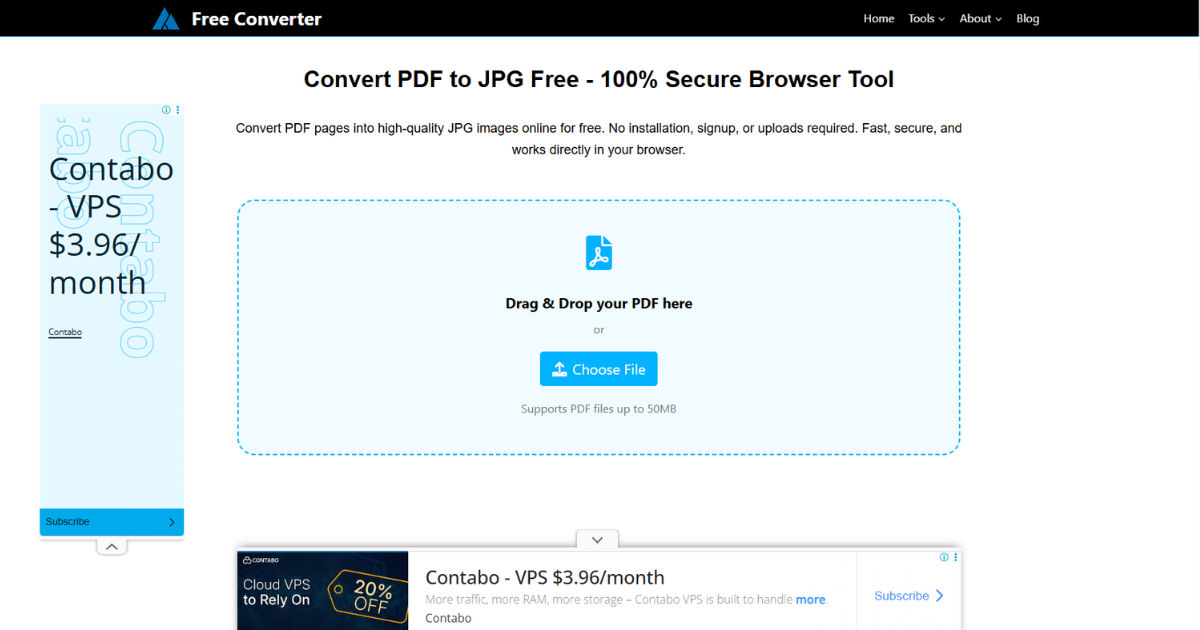
In today’s digital world, a pdf to image converter is widely used for turning documents into visual formats like JPG or PNG. A pdf to image converter becomes especially important when dealing with large PDF files that contain hundreds of pages, high-resolution graphics, or complex layouts.

Understanding how a pdf to image converter handles large files helps users avoid errors, improve speed, and maintain output quality.

Large file processing is not just about conversion—it involves memory management, compression techniques, rendering strategies, and system optimization. This guide explains everything in a simple and student-friendly way so you can clearly understand how a pdf to image converter works behind the scenes.


Large PDF Files in Conversion Systems

Before learning how a pdf to image converter processes files, it is important to understand what “large files” actually mean.

A large PDF usually contains:

  • Hundreds or thousands of pages
  • High-resolution images or graphics
  • Embedded fonts and vector elements
  • Complex formatting like tables or charts

When a pdf to image converter processes such files, it must handle heavy data without crashing or slowing down the system. The bigger the file, the more processing power is required.

A modern pdf to image converter is designed to manage these challenges efficiently using advanced techniques.


Why Large File Conversion is Challenging

Handling large files is not simple. A pdf to image converter faces several challenges:

Memory Consumption

Each PDF page needs to be loaded into memory before conversion. A high-resolution page may use a large amount of RAM. If not managed properly, the system may freeze or crash.

A pdf to image converter must optimize memory usage to avoid overload.

Processing Speed

Large PDFs take more time to render. Each page must be analyzed, decoded, and converted into pixels. A pdf to image converter must balance speed and quality.

Image Quality Control

During conversion, maintaining clarity is important. A pdf to image converter must ensure text and graphics do not become blurry.

Multi-page Handling

A PDF may contain hundreds of pages. A pdf to image converter must process them one by one or in batches without losing performance.


Core Working Process of a pdf to image converter

To understand how a pdf to image converter handles large files, we must look at its internal workflow.

Step 1: File Loading

The system first loads the PDF into memory. Instead of loading everything at once, a smart pdf to image converter uses partial loading techniques.

Step 2: Page Parsing

Each page is broken into elements such as:

  • Text blocks
  • Images
  • Vector graphics

A pdf to image converter reads these components separately for accurate rendering.

Step 3: Rendering Engine Activation

The rendering engine converts page data into a visual format. A pdf to image converter uses GPU or CPU processing depending on system capability.

Step 4: Image Generation

Each page is transformed into an image format like PNG or JPEG. A pdf to image converter ensures resolution is properly maintained.

Step 5: Output Storage

Finally, images are saved to disk or cloud storage. A pdf to image converter often compresses output files to save space.


Memory Optimization Techniques

A major feature of any efficient pdf to image converter is memory optimization.

Chunk-Based Processing

Instead of loading the entire file, a pdf to image converter divides the PDF into chunks. Each chunk is processed separately.

This reduces RAM usage and prevents system crashes.

Lazy Loading

Pages are loaded only when needed. A pdf to image converter does not load all pages at once, which improves performance.

Garbage Collection

Unused data is automatically cleared from memory. This helps a pdf to image converter stay stable even with large files.


Batch Processing in Large Files

A powerful pdf to image converter supports batch processing for large documents.

Page-by-Page Conversion

Each page is converted individually. This method allows a pdf to image converter to handle unlimited file sizes.

Parallel Processing

Some advanced systems use multiple CPU threads. A pdf to image converter can convert multiple pages at the same time.

Queue System

Pages are placed in a queue. A pdf to image converter processes them in order, preventing overload.


Compression Techniques Used in Conversion

Compression plays a major role in large file handling.

Lossless Compression

A pdf to image converter ensures that no quality is lost during conversion. This is important for documents with text and diagrams.

Lossy Compression

For faster processing, a pdf to image converter may reduce image size slightly while maintaining acceptable quality.

Adaptive Compression

A smart pdf to image converter adjusts compression based on file content. Text-heavy pages get different handling compared to image-heavy pages.


Role of Cloud Computing in Large File Conversion

Modern systems often rely on cloud technology.

Cloud Processing Power

A cloud-based pdf to image converter uses remote servers instead of local devices. This allows it to handle very large files easily.

Scalability

Cloud systems can scale resources automatically. A pdf to image converter in the cloud can process thousands of pages without slowing down.

Storage Efficiency

Converted images are stored directly in cloud storage, reducing local device load.


GPU Acceleration for Faster Conversion

A powerful pdf to image converter often uses GPU acceleration.

Parallel Rendering

GPUs process many tasks at once. A pdf to image converter uses this ability to speed up page rendering.

High-Resolution Output

GPU support allows a pdf to image converter to maintain sharp image quality even for large files.


Handling Errors in Large File Conversion

Large files often introduce errors. A reliable pdf to image converter manages them effectively.

Corrupted Pages

If a page is damaged, the converter skips or repairs it.

Font Issues

Missing fonts are replaced with default ones by a pdf to image converter.

Timeout Handling

If a page takes too long, the system resets the process for that page.


File Format Optimization

A pdf to image converter supports multiple image formats.

JPEG Format

Good for smaller file sizes. A pdf to image converter often uses JPEG for quick sharing.

PNG Format

Used for high-quality images. A pdf to image converter uses PNG for detailed documents.

TIFF Format

Best for professional printing. A pdf to image converter uses TIFF for archival purposes.


Speed Optimization Strategies

Speed is critical when working with large PDFs.

Multi-threading

A pdf to image converter divides tasks across multiple threads.

Caching

Frequently used data is stored temporarily for faster access.

Pre-processing

A pdf to image converter analyzes files before conversion begins.


Security in Large File Conversion

Security is important when handling documents.

Data Encryption

A pdf to image converter encrypts files during upload and processing.

Temporary Storage

Files are deleted after conversion to protect privacy.

Secure Transfer

A pdf to image converter uses secure protocols for file transmission.


Real-World Applications

Large file conversion is used in many fields.

Education

Students use a pdf to image converter to convert notes and textbooks.

Business

Companies convert reports and presentations.

Design

Designers extract high-quality visuals using a pdf to image converter.


Tips for Handling Large Files Efficiently

To get the best results from a pdf to image converter, follow these tips:

  • Reduce PDF size before conversion
  • Close background applications
  • Use cloud-based tools for large files
  • Choose proper output format
  • Adjust resolution settings

These practices help a pdf to image converter perform better and faster.


Future of pdf to image converter Technology

The future of pdf to image converter systems is evolving rapidly.

AI Integration

Artificial intelligence will help improve accuracy and speed.

Faster Cloud Systems

Cloud computing will make large file handling even easier.

Better Compression

Future tools will reduce file size without losing quality.

A next-generation pdf to image converter will be faster, smarter, and more efficient.


Conclusion

A pdf to image converter handles large files through a combination of memory optimization, chunk-based processing, batch conversion, compression techniques, and advanced rendering systems. Whether it is cloud computing, GPU acceleration, or error handling, every component plays a role in making sure large PDFs are converted smoothly.

Understanding how a pdf to image converter works helps users choose better tools and manage files more effectively. As technology improves, a pdf to image converter will become even more powerful, capable of handling massive files with speed and precision while maintaining high image quality.

From education to business applications, the importance of a pdf to image converter continues to grow in the digital world. By using optimized systems and modern techniques, it ensures that even the largest documents can be converted into clear, usable images without difficulty.


safar ki dua ka urdu tarjuma kya haisafar ki dua ka urdu tarjuma kya hai

Safar ki dua is an important Islamic prayer that every Muslim should know before starting a journey.

In this article, we will explain in detail what safar ki dua means, its Urdu translation, its benefits, and its importance in daily life. Many people search for safar ki dua because they want to understand its meaning clearly in Urdu and also learn when and how to recite it properly.

This guide is written in simple language so that even 12th-grade students can easily understand it. By the end, you will fully understand the meaning and importance of safar ki dua in your life.


Safar ki Dua ka Maqsad aur Ahmiyat

Islam is a complete way of life, and it guides us in every situation, including traveling. Whenever a person starts a journey, Islam teaches us to remember Allah by reciting safar ki dua. The purpose of safar ki dua is to seek protection from Allah during travel and ask for safety and blessings.

Travel can involve many risks such as accidents, delays, or unexpected problems. That is why safar ki dua is a way to ask Allah for protection from all difficulties. It also reminds us that no matter where we go, Allah is always with us.


Safar ki Dua Arabic Text

The commonly known safar ki dua is:

Subhanalladhi sakhkhara lana haza wa ma kunna lahu muqrinin wa inna ila rabbina lamunqalibun

This is the Arabic form of safar ki dua which is recited before starting a journey, whether by car, bus, train, or airplane.


Safar ki Dua ka Urdu Tarjuma

Now let’s understand the meaning of safar ki dua in Urdu so that its message becomes clear:

"Paak hai woh Zaat jis ne is sawari ko hamare liye musakhkhar kiya, jab ke hum is ko qabu karne wale na thay, aur beshak hum apne Rabb ki taraf hi lautne wale hain."

This Urdu translation shows that everything we use for travel is controlled by Allah, and we are always dependent on Him.

Understanding the safar ki dua in Urdu helps a person connect emotionally and spiritually with the words.


Safar ki Dua ka Matlab Samajhna

The meaning of safar ki dua is very deep. It teaches us three important lessons:

  1. Allah has control over everything.
  2. Human beings are weak without Allah’s help.
  3. We will eventually return to Allah.

When a person understands safar ki dua, it increases their faith and trust in Allah during travel.


Safar ki Dua kab Parhi Jati Hai

Safar ki dua is usually recited at the start of a journey. It can be said:

  • When sitting in a car
  • When boarding a bus or train
  • Before flying in an airplane
  • When starting any long journey

Some people also recite safar ki dua before leaving their house. This practice brings peace and protection.


Safar ki Dua ke Fawaid

Reciting safar ki dua has many spiritual and emotional benefits:

  • It gives peace of mind during travel
  • It protects from accidents and dangers
  • It increases faith in Allah
  • It reminds a person of their dependence on Allah
  • It brings blessings in the journey

That is why many Muslims never forget to read safar ki dua before traveling.


Safar ki Dua aur Sunnat

The Prophet Muhammad (peace be upon him) used to recite safar ki dua when starting any journey. This shows that safar ki dua is a Sunnah practice.

Following this Sunnah brings rewards and blessings in life. It also helps a believer stay connected with Islamic teachings in daily life.


Safar ki Dua aur Modern Travel

In today’s world, travel has become very common. People travel by airplanes, cars, and even ships. Despite modern technology, risks still exist. That is why safar ki dua is still very important.

Whether a journey is short or long, safar ki dua gives mental comfort. It helps travelers feel safe and calm.


Safar ki Dua aur Dil ka Sukoon

One of the biggest benefits of safar ki dua is peace of heart. When a person reads safar ki dua, they feel connected to Allah. This connection removes fear and anxiety.

Many people say that after reading safar ki dua, their journey feels easier and more peaceful.


Safar ki Dua ki Aadat Banana

It is important to make safar ki dua a daily habit. Parents should teach children safar ki dua from a young age. Schools and Islamic teachers also encourage students to memorize safar ki dua.

When safar ki dua becomes a habit, it naturally comes to mind before every journey.


Safar ki Dua aur Imaan

Reciting safar ki dua strengthens a person’s faith. It reminds us that no matter how advanced transportation becomes, Allah is the real protector.

Every time a believer reads safar ki dua, their trust in Allah increases.


Safar ki Dua ki Asaan Yaadgar Tareeqa

Many people find it difficult to memorize long duas, but safar ki dua is short and easy. You can remember it by repeating it daily before leaving home.

Writing safar ki dua in a notebook or mobile also helps in learning it quickly.


Safar ki Dua aur Family Teaching

Families play an important role in teaching safar ki dua. When parents recite safar ki dua in front of children, they naturally learn it.

This creates a strong Islamic environment in the home.


Safar ki Dua aur Spiritual Protection

One of the key reasons for reciting safar ki dua is spiritual protection. It is believed that Allah protects the traveler from harm when safar ki dua is sincerely recited.

This protection is not only physical but also emotional and spiritual.


Safar ki Dua ka Daily Life se Talluq

Even though safar ki dua is specifically for travel, its meaning applies to daily life. It teaches humility, gratitude, and dependence on Allah.

Every Muslim can benefit from understanding safar ki dua deeply.


Safar ki Dua aur Tawakkul

Tawakkul means trusting Allah. Safar ki dua strengthens tawakkul in a believer’s heart. When we say safar ki dua, we accept that Allah is the best protector.

This mindset helps reduce fear during travel.


Safar ki Dua aur Islamic Identity

Reciting safar ki dua is also part of Islamic identity. It shows that a Muslim remembers Allah in every situation.

When Muslims recite safar ki dua publicly, it also inspires others.


Safar ki Dua Samajhne ki Zaroorat

Many people only memorize safar ki dua without understanding it. But understanding its Urdu meaning is very important.

When a person knows what safar ki dua means, they feel more connected to it.


Safar ki Dua aur Emotional Stability

Travel can sometimes cause stress or anxiety. Reading safar ki dua helps calm the mind and brings emotional stability.

It reminds us that Allah is in control of every journey.


Safar ki Dua ka Roohani Asar

The spiritual impact of safar ki dua is very strong. It creates a sense of peace and trust in Allah.

This is why scholars emphasize the importance of safar ki dua in Islamic teachings.


Safar ki Dua aur Dua ki Qabooliyat

When a person sincerely reads safar ki dua, it is also a form of worship. Allah loves when His servants remember Him during travel.

This increases the chances of acceptance of other duas as well.


Safar ki Dua aur Zindagi ka Safar

Life itself is a journey, and safar ki dua reminds us of this reality. Just like physical travel, life also has risks and uncertainties.

So, safar ki dua is also a reminder of our final return to Allah.


Safar ki Dua ka Mukammal Khulasa

In conclusion, safar ki dua is a powerful Islamic prayer that protects travelers and gives peace of mind. Its Urdu translation helps us understand its deep meaning.

Every Muslim should learn, understand, and recite safar ki dua before any journey. It strengthens faith, brings protection, and increases spiritual connection with Allah.

By making safar ki dua a habit, a person ensures safety and blessings in every journey of life.


Final Words

Understanding safar ki dua is not just about memorizing words; it is about feeling the connection with Allah during travel. Its Urdu meaning makes it easier for everyone to understand and practice.

If we make safar ki dua a part of our daily life, every journey becomes more peaceful and blessed.

why does free trial home internet cancellation matter?why does free trial home internet cancellation matter?

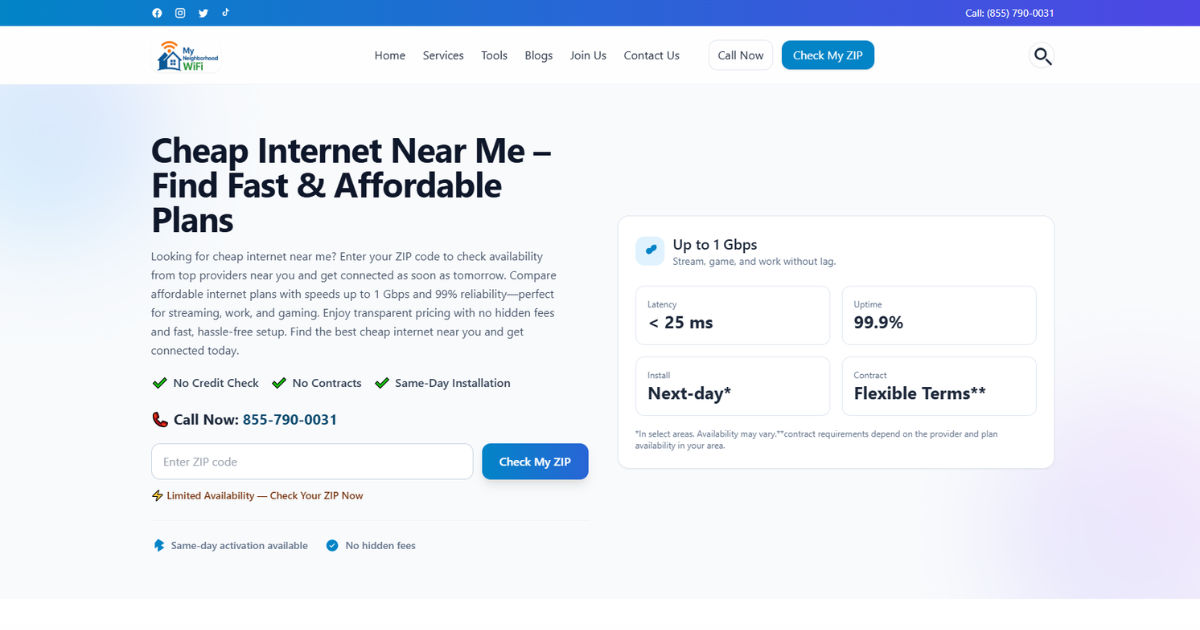
When people sign up for internet promotions, they often focus on speed, price, and convenience. Yet one detail gets ignored: cancellation. my neighborhood wifi is a phrase many users search when comparing local providers, and it often leads them to free trial offers.

These deals can be useful, but understanding why cancellation matters is just as important as getting the offer itself. my neighborhood wifi users want flexibility, fair pricing, and no surprises.

A free trial sounds simple. You test the service, decide if you like it, and continue or cancel. But many people discover hidden fees, deadlines, equipment return rules, or automatic billing after the trial ends.

That is why learning about cancellation terms can save money and stress. If you are considering my neighborhood wifi, knowing the cancellation process helps you stay in control.

This guide explains why free trial home internet cancellation matters, what risks to watch for, and how to make smarter choices before signing up for my neighborhood wifi or any other provider.


Free Trial Home Internet Offers

Free trial home internet offers are promotional periods where customers use service without paying the regular monthly fee. These trials may last 7 days, 14 days, or even 30 days. Providers use them to attract new customers and build trust.

For example, someone searching my neighborhood wifi may see ads offering free setup or a free month of service. It sounds attractive because people want to test speed, reliability, and signal strength before making a long-term commitment.

Trials can be helpful because internet service is not the same in every neighborhood. A company may perform well in one street but poorly in another. Testing my neighborhood wifi during a trial helps users decide if the connection matches their needs.

However, the free part only matters if cancellation is clear and easy.


Why Cancellation Terms Matter So Much

Many customers think they can cancel anytime during a free trial with no issue. Sometimes that is true. Other times, rules are stricter.

A provider may require notice before the final day. Some charge equipment fees if routers are not returned quickly. Others automatically convert the account into a paid subscription.

That means people using my neighborhood wifi should read the fine print before joining. Cancellation terms matter because they protect your budget and prevent unexpected charges.

If you forget to cancel on time, one free month can turn into several paid months. This happens often because users assume the provider will remind them. Usually, they do not.

So, when comparing my neighborhood wifi, cancellation policy should be as important as download speed.


Avoiding Unexpected Charges

Unexpected charges are one of the biggest reasons cancellation matters. A customer may sign up for a free trial believing there is no risk. Then they see charges for:

  • Monthly service after trial end
  • Installation fees
  • Activation fees
  • Equipment rental
  • Late return charges
  • Early termination fees

When evaluating my neighborhood wifi, users should ask what charges may happen after the free period ends.

Sometimes companies advertise “free trial” but still require a payment method. That card may be billed automatically unless you cancel before the deadline. Knowing this in advance helps users of my neighborhood wifi avoid frustration.

Always save screenshots of promotional offers and confirmation emails.


Protecting Your Credit Card and Bank Account

Automatic billing is common today. Once a payment method is entered, monthly charges may continue until cancellation is processed.

If someone signs up for my neighborhood wifi and forgets the trial deadline, charges may start immediately. Some customers do not notice until the next statement.

This is why cancellation matters financially. It protects your bank account from recurring payments you no longer want.

Set reminders on your phone a few days before the trial ends. If you are testing my neighborhood wifi, this simple step can save money and give you time to decide calmly.


Testing Service Quality Before Commitment

Free trials are valuable because internet quality can vary by location. Even if reviews are positive, your experience may differ.

You may test my neighborhood wifi and discover:

  • Slow evening speeds
  • Weak signal in bedrooms
  • Frequent outages
  • Poor customer support
  • Streaming problems
  • Gaming lag

If the service fails your expectations, easy cancellation allows you to leave without financial loss.

That is why trial cancellation matters. It gives customers the freedom to reject poor service. Users considering my neighborhood wifi should use the trial period actively, not passively.

Run speed tests, stream videos, attend video calls, and test multiple devices.


Equipment Return Policies Can Cost You

Many home internet plans include routers, modems, or wireless gateways. These devices must often be returned after cancellation.

A customer trying my neighborhood wifi may cancel correctly but forget to return equipment. Then the company charges replacement fees.

These fees can be expensive. Some routers cost far more than expected.

When reviewing my neighborhood wifi, ask:

  • Where do I return equipment?
  • How many days do I have?
  • Do I need original packaging?
  • Will I receive proof of return?

Always keep receipts. Equipment return rules are a major reason cancellation matters.


Flexibility for Renters and Movers

Many people move homes, change apartments, or relocate for work. They need flexible internet options.

A renter may choose my neighborhood wifi during a free trial but move soon after. If cancellation terms are strict, that creates problems.

Good cancellation policies matter because life changes quickly. Students, renters, and temporary residents especially benefit from trial offers with no penalties.

If you may move soon, compare my neighborhood wifi plans that allow month-to-month service after the trial.


Preventing Long Contracts You Did Not Expect

Some promotions lead into contracts after the trial period. A customer may assume the plan remains monthly, but terms may lock them into 12 or 24 months.

This is why reading details is critical. If you sign up for my neighborhood wifi, ask whether the trial converts into:

  • Month-to-month billing
  • One-year contract
  • Bundle agreement
  • Promotional rate with future price increase

Cancellation matters because it prevents accidental long-term commitments.

Never rely only on advertisements. Ask for written terms before activating my neighborhood wifi.


Better Comparison Shopping

Smart shoppers compare options. A free trial helps test one provider, then another if needed.

If cancellation is easy, consumers can compare my neighborhood wifi with competitors based on real experience instead of marketing promises.

You can test:

  • Speed consistency
  • Coverage range
  • Customer service response time
  • App usability
  • Price after promotions

Without easy cancellation, comparison shopping becomes harder. You may stay with poor service because switching feels expensive or complicated.

That is another reason my neighborhood wifi users should prioritize cancellation terms.


Customer Service Quality Is Revealed During Cancellation

Cancellation itself can show how a company treats customers.

If my neighborhood wifi makes cancellation simple through an app or online portal, that often reflects a modern customer-friendly system.

If cancellation requires long calls, pressure tactics, hidden menus, or repeated transfers, that reveals something important too.

How a company handles exits often reflects how it handles support issues.

So cancellation matters not only financially, but as a sign of business ethics.


Psychological Freedom and Peace of Mind

People enjoy services more when they know they can leave anytime.

Trying my neighborhood wifi during a risk-free trial feels better when you know cancellation is simple. You can evaluate honestly instead of worrying about penalties.

This peace of mind has real value. Consumers dislike feeling trapped. Easy cancellation creates trust.

That trust often leads people to stay voluntarily. Ironically, companies with simple cancellation systems may keep more loyal users.


Common Mistakes People Make

When using a free trial, many people make avoidable mistakes.

Forgetting the Deadline

They remember too late and get charged. Anyone testing my neighborhood wifi should mark the final date immediately.

Ignoring Emails

Trial reminders or billing notices may arrive in email spam folders.

Not Reading Terms

Some people assume all trials work the same. They do not.

Failing to Return Equipment

This leads to surprise fees.

Cancelling Without Proof

Always keep screenshots or confirmation numbers after cancelling my neighborhood wifi.


How to Cancel the Right Way

If you decide the service is not right, follow a clear process.

1. Check the Deadline

Find the exact last trial date for my neighborhood wifi.

2. Use Official Channels

Cancel through the company website, app, phone line, or authorized support.

3. Request Confirmation

Get an email or reference number.

4. Return Devices Quickly

Send back routers or modems immediately.

5. Monitor Your Account

Watch your card statement after cancelling my neighborhood wifi.


What to Look for Before Signing Up

Before starting any free trial, ask these questions:

  • How long is the trial?
  • When does billing begin?
  • Is a card required?
  • Can I cancel online?
  • Are there setup charges?
  • Must equipment be returned?
  • Is there a contract after the trial?

These questions help users of my neighborhood wifi avoid common traps.


Why Honest Providers Benefit Too

Easy cancellation is not only good for customers. It also helps providers.

When my neighborhood wifi offers fair cancellation, customers trust the brand more. They may recommend it to neighbors, friends, and family.

Happy customers become repeat customers. Transparent policies reduce complaints, chargebacks, and negative reviews.

So cancellation matters for both sides of the relationship.


The Future of Free Trial Internet Services

Consumers increasingly expect flexibility. Streaming services, apps, and software have made free trials normal.

Home internet companies must adapt. Users of my neighborhood wifi and similar services now expect:

  • Self-service account tools
  • Transparent billing
  • Easy online cancellation
  • Fair equipment return rules
  • Clear reminders before charges begin

Providers that ignore these expectations may lose market share.


Final Thoughts

So, why does free trial home internet cancellation matter? Because it protects your money, your time, and your freedom to choose better service. A free trial only has value when customers can leave easily if the service disappoints them.

Whether you are comparing speeds, testing reliability, or exploring my neighborhood wifi, always treat cancellation policy as a top priority. Read the terms, track deadlines, keep records, and return equipment quickly if needed.

The smartest customer is not the one who only looks for the cheapest internet. It is the one who understands the full agreement. Free trial offers can be excellent opportunities, but only when cancellation is fair, clear, and stress-free.

When choosing my neighborhood wifi, remember this simple rule: the easier it is to leave, the safer it is to try.


How does website AEO strategy improve answers?How does website AEO strategy improve answers?

The internet is changing quickly. Traditional SEO once focused only on ranking pages in search engines. Today, users expect direct, accurate, and fast answers from search platforms, AI tools, voice assistants, and chatbots.

This is where Answer Engine Optimization, also called AEO, becomes important. Businesses, bloggers, and marketers now use advanced methods like the “Website AEO and GEO Checker” to improve how their content performs in modern search experiences.

A strong AEO strategy helps websites provide better answers to users. It improves visibility in AI-generated results, featured snippets, voice search responses, and conversational search systems. Instead of simply driving traffic, AEO focuses on delivering useful information in the clearest and fastest way possible.

The “Website AEO and GEO Checker” is becoming an important solution for businesses that want to stay competitive in search. By optimizing content for answer engines and generative AI systems, websites can improve authority, trust, and user engagement.In this detailed guide, you will learn how website AEO strategy improves answers, why it matters, and how businesses can implement it successfully.

What Is Website AEO?

Website AEO stands for Answer Engine Optimization. It is the process of optimizing website content so that AI systems, search engines, and voice assistants can easily understand and present direct answers to users.

Unlike traditional SEO, which mainly focuses on rankings and keywords, AEO focuses on user intent and answer quality. It helps search platforms pull accurate information from websites and show it directly in search results.

Examples of answer engines include:

  • Google Featured Snippets
  • Voice assistants like Siri and Alexa
  • AI chatbots
  • AI search experiences
  • Conversational search systems

The “Website AEO and GEO Checker” helps website owners analyze how well their content performs in answer-based environments.

The Difference Between SEO and AEO

Traditional SEO and AEO work together, but they have different goals.

Traditional SEO

SEO mainly focuses on:

  • Ranking pages higher
  • Building backlinks
  • Improving technical optimization
  • Increasing organic traffic
  • Using keywords effectively

AEO

AEO focuses on:

  • Providing clear answers
  • Matching user intent
  • Structuring content properly
  • Improving voice search compatibility
  • Helping AI systems understand information

The “Website AEO and GEO Checker” allows businesses to combine SEO and AEO strategies for stronger visibility.

Why AEO Matters in Modern Search

Search behavior has changed significantly. People no longer search using short keywords only. They now ask complete questions.

For example:

  • “What is website AEO?”
  • “How does AEO improve answers?”
  • “Why is answer engine optimization important?”

AI systems and search engines try to deliver immediate answers instead of only listing websites. This shift makes AEO extremely valuable.

The “Website AEO and GEO Checker” helps websites adapt to these modern search behaviors.

How Website AEO Strategy Improves Answers

A well-designed AEO strategy improves answers in many ways.

Improves Content Clarity

AEO encourages websites to write clear and direct content. Search engines prefer content that answers questions immediately.

For example, instead of writing vague paragraphs, AEO content uses:

  • Short explanations
  • Bullet points
  • Simple language
  • Structured formatting

The “Website AEO and GEO Checker” can identify unclear sections that need improvement.

Helps AI Understand Content

AI systems analyze structure, context, and meaning. AEO helps by organizing information logically.

Good AEO content includes:

  • Headings
  • FAQs
  • Definitions
  • Lists
  • Schema markup

This makes it easier for AI to generate accurate responses.

Improves Voice Search Results

Voice search users ask conversational questions. AEO content is optimized for natural language responses.

For example:

Instead of targeting:
“website AEO strategy”

AEO targets:
“How does website AEO strategy improve answers?”

The “Website AEO and GEO Checker” helps optimize content for voice queries.

Increases Featured Snippet Opportunities

Featured snippets appear at the top of search results. These snippets provide direct answers to users.

AEO strategies improve the chance of appearing in snippets by:

  • Answering questions directly
  • Using concise paragraphs
  • Adding lists and tables
  • Structuring content properly

The “Website AEO and GEO Checker” helps identify snippet optimization opportunities.

Enhances User Experience

AEO focuses heavily on user satisfaction. Clear answers improve:

  • Reading experience
  • Engagement
  • Time on site
  • Trust
  • Conversion rates

Users stay longer when they quickly find useful information.

The Role of User Intent in AEO

User intent is central to answer engine optimization.

There are several types of user intent:

Informational Intent

Users want information.

Example:
“What is AEO?”

Navigational Intent

Users want a specific website.

Example:
“Open ChatGPT website”

Transactional Intent

Users want to buy something.

Example:
“Buy SEO tools online”

Commercial Intent

Users compare products or services.

Example:
“Best AEO tools”

The “Website AEO and GEO Checker” helps identify whether content properly matches user intent.

Importance of Structured Content

Structured content improves answer quality because AI systems can easily scan and interpret it.

Benefits of Structured Formatting

Structured formatting helps:

  • Improve readability
  • Increase snippet chances
  • Enhance AI understanding
  • Support voice search
  • Improve mobile usability

Useful Content Structures

AEO-friendly structures include:

  • FAQs
  • Step-by-step guides
  • Numbered lists
  • Tables
  • Definitions

The “Website AEO and GEO Checker” evaluates content structure effectiveness.

How Schema Markup Supports Better Answers

Schema markup is code added to webpages that helps search engines understand content.

Common Types of Schema

Useful schema types include:

  • FAQ schema
  • Article schema
  • Product schema
  • Organization schema
  • Review schema

Schema helps search engines display enhanced search results.

The “Website AEO and GEO Checker” often checks whether schema markup is correctly implemented.

The Connection Between AEO and GEO

GEO stands for Generative Engine Optimization. It focuses on optimizing content for AI-generated search experiences.

Modern AI tools summarize information instead of simply displaying links.

The “Website AEO and GEO Checker” supports both AEO and GEO optimization.

How GEO Works

GEO helps content appear in:

  • AI-generated summaries
  • Conversational AI systems
  • Chat-based search tools
  • AI answer engines

Why GEO Is Important

Generative AI is becoming a major part of online search. Businesses must optimize content for these systems.

The “Website AEO and GEO Checker” helps businesses prepare for future search technologies.

Key Elements of a Strong AEO Strategy

Successful AEO strategies include several important components.

High-Quality Content

Content should be:

  • Accurate
  • Helpful
  • Easy to understand
  • Updated regularly

Question-Based Optimization

AEO works best when content answers real questions.

Examples:

  • What is AEO?
  • How does AEO improve search visibility?
  • Why is AEO important?

The “Website AEO and GEO Checker” helps identify relevant question opportunities.

Fast Website Speed

Slow websites reduce user satisfaction.

Fast-loading pages improve:

  • User experience
  • Mobile performance
  • Search visibility

Mobile Optimization

Most searches now happen on mobile devices.

Mobile-friendly content improves:

  • Readability
  • Engagement
  • Accessibility

Trust and Authority

Search engines prefer trustworthy sources.

Authority can be improved through:

  • Expert content
  • Reliable sources
  • Consistent updates
  • Positive user engagement

The “Website AEO and GEO Checker” helps evaluate authority signals.

How AI Uses AEO Content

AI systems analyze content differently from traditional search engines.

They focus on:

  • Context
  • Meaning
  • Relevance
  • Accuracy
  • Structure

AEO helps AI systems extract answers more effectively.

Natural Language Processing

AI uses Natural Language Processing, also called NLP, to understand human language.

AEO improves NLP compatibility through:

  • Simple writing
  • Clear explanations
  • Logical formatting

The “Website AEO and GEO Checker” helps optimize content for AI interpretation.

Best Practices for Website AEO

Write Clear Introductions

Users and AI systems should immediately understand the topic.

Use Question-Based Headings

Examples:

  • What Is AEO?
  • Why Is AEO Important?
  • How Does AEO Work?

Keep Answers Concise

Short answers perform better in snippets and voice search.

Add FAQ Sections

FAQ sections improve answer visibility significantly.

Use Semantic Keywords

Semantic keywords help AI understand context.

Examples related to AEO include:

  • Answer optimization
  • AI search
  • Voice search
  • Conversational search

The “Website AEO and GEO Checker” helps analyze semantic relevance.

How AEO Improves Website Visibility

AEO improves visibility in several important ways.

Better Search Presence

Optimized answers appear more often in:

  • Featured snippets
  • AI overviews
  • Voice responses

Higher Click-Through Rates

Clear answers encourage users to visit websites.

Increased Authority

Websites that provide strong answers become trusted resources.

Improved Engagement

Users spend more time on informative websites.

The “Website AEO and GEO Checker” helps measure these improvements.

Common AEO Mistakes to Avoid

Many websites struggle because they ignore important AEO practices.

Writing Complex Content

Overly technical language reduces clarity.

Ignoring User Questions

Content should answer real user concerns.

Poor Formatting

Large text blocks reduce readability.

Missing Schema Markup

Without schema, search engines may misunderstand content.

Outdated Information

AI systems prefer current and accurate data.

The “Website AEO and GEO Checker” helps detect these problems.

How Voice Search Changes Content Strategy

Voice search is growing rapidly.

People speak differently than they type.

Voice Search Characteristics

Voice searches are:

  • Conversational
  • Longer
  • Question-based

Example:
“What is the best way to improve website AEO?”

The “Website AEO and GEO Checker” helps optimize content for voice search trends.

Why Conversational Content Matters

Modern AI systems prefer natural language.

Conversational content improves:

  • User understanding
  • AI interpretation
  • Voice compatibility

AEO encourages writing that sounds human and easy to understand.

Measuring AEO Performance

Businesses should track AEO results regularly.

Important Metrics

Useful metrics include:

  • Featured snippet appearances
  • Voice search visibility
  • Organic traffic
  • User engagement
  • Click-through rates

The “Website AEO and GEO Checker” helps monitor these metrics.

The Future of AEO

AEO will continue growing as AI search becomes more advanced.

Future trends may include:

  • More conversational AI
  • Personalized search answers
  • Smarter voice assistants
  • AI-generated summaries

Businesses that invest in AEO now will have stronger long-term visibility.

The “Website AEO and GEO Checker” will likely become an essential tool for digital marketers.

Benefits of Using Website AEO and GEO Checker

The “Website AEO and GEO Checker” offers several benefits.

Content Evaluation

It analyzes whether content answers questions effectively.

AI Compatibility Analysis

It checks how AI systems may interpret content.

Voice Search Optimization

It helps improve conversational search visibility.

Technical Recommendations

It identifies issues affecting answer performance.

Competitive Insights

It compares optimization levels with competitors.

Businesses can use the “Website AEO and GEO Checker” to strengthen digital strategies.

AEO for Businesses and Brands

Brands can benefit greatly from AEO.

Increased Trust

Helpful answers improve brand credibility.

Better Customer Experience

Quick answers satisfy users faster.

Higher Conversion Rates

Users trust businesses that provide useful information.

Stronger Online Authority

Consistent optimization builds expertise.

The “Website AEO and GEO Checker” supports these goals effectively.

How Small Websites Can Benefit from AEO

AEO is not only for large companies.

Small websites can also compete by:

  • Answering niche questions
  • Creating quality content
  • Optimizing FAQs
  • Using structured data

Smaller websites can gain visibility through featured snippets and AI answers.

The “Website AEO and GEO Checker” helps small businesses improve competitiveness.

Content Types That Work Best for AEO

Certain content formats perform especially well.

FAQ Pages

FAQ pages directly answer user questions.

Tutorials

Step-by-step guides improve clarity.

Definitions

Simple definitions help featured snippets.

Comparison Articles

Comparison content supports commercial intent.

Lists

List-based content is easy for AI systems to process.

The “Website AEO and GEO Checker” can identify high-performing content types.

Why Content Freshness Matters

Search engines and AI systems prefer updated information.

Fresh content improves:

  • Trustworthiness
  • Relevance
  • Accuracy

Businesses should regularly update articles and statistics.

The “Website AEO and GEO Checker” helps identify outdated content.

The Importance of E-E-A-T in AEO

Google emphasizes E-E-A-T:

  • Experience
  • Expertise
  • Authoritativeness
  • Trustworthiness

Strong E-E-A-T improves answer quality and search visibility.

How to Improve E-E-A-T

Businesses should:

  • Use expert writers
  • Cite reliable sources
  • Maintain accurate information
  • Build brand authority

The “Website AEO and GEO Checker” supports trust-focused optimization.

How AEO Supports AI Search Evolution

Search is moving toward AI-driven experiences.

Instead of scanning multiple websites, users now expect direct summaries and intelligent answers.

AEO helps websites stay visible in this changing environment.

The “Website AEO and GEO Checker” prepares websites for AI-first search systems.

Conclusion

Website AEO strategy improves answers by making content clearer, more structured, and easier for AI systems to understand. Unlike traditional SEO alone, AEO focuses on delivering direct and valuable information to users. It helps websites appear in featured snippets, voice search responses, AI-generated summaries, and conversational search experiences.

As search technology evolves, businesses must adapt to changing user behavior. People now expect immediate answers instead of browsing through multiple pages. A strong AEO strategy improves user experience, increases visibility, and strengthens trust.

The “Website AEO and GEO Checker” plays an important role in this process. It helps businesses evaluate content quality, improve AI compatibility, optimize voice search performance, and prepare for future search technologies. Companies that invest in AEO today will have a stronger digital presence tomorrow.

AEO is no longer optional. It is becoming a core part of modern content strategy. Websites that focus on clear, useful, and well-structured answers will continue to succeed in the AI-powered future of search.