Frameless glass installations have transformed modern architecture with their sleek, minimalist aesthetic. From luxury residential buildings to commercial spaces, frameless glass panels create a sense of openness and elegance that traditional framed structures cannot match.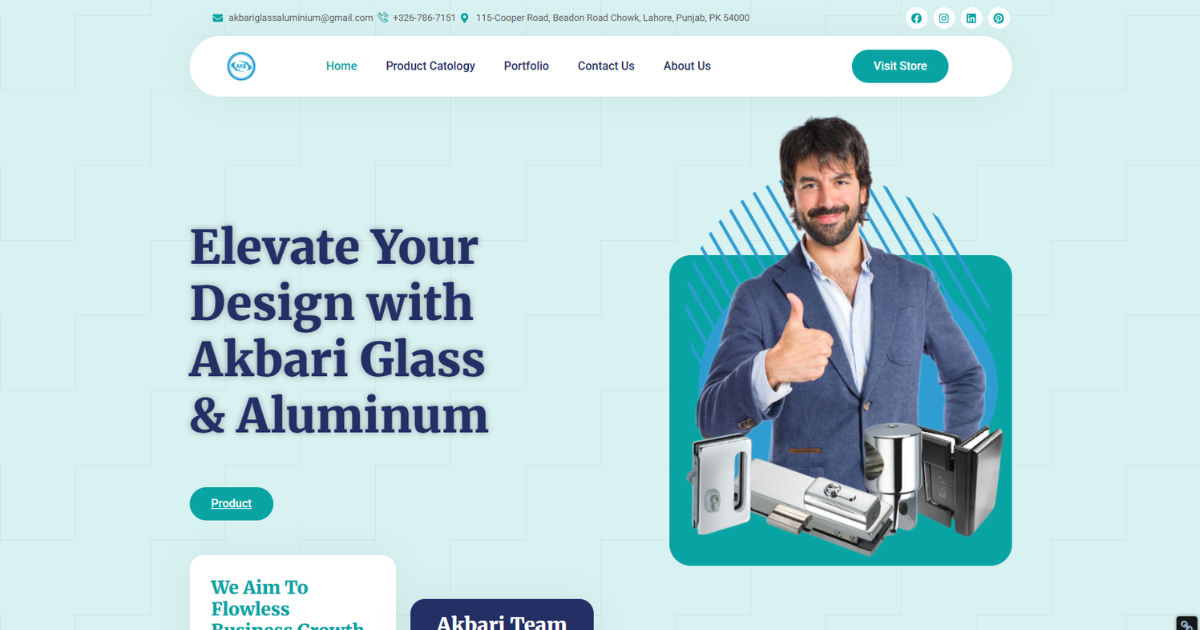
When discussing high-quality frameless installations, Akbari glass often comes to mind as a trusted provider in the industry. Understanding the structural principles behind these installations is crucial for architects, builders, and homeowners alike.
Frameless glass panels are more than just large sheets of glass—they are sophisticated engineering solutions designed to balance aesthetics, safety, and structural integrity.
This guide will explore these principles in depth, covering material properties, support systems, design considerations, and installation techniques.
Frameless Glass Installations
Frameless glass refers to panels that do not rely on traditional frames or mullions for support. Instead, the glass itself serves as the primary structural element, often secured using minimal hardware. The result is a seamless, modern look that allows maximum light transmission and visual continuity.
Unlike framed glass, which uses metal or wooden frames to bear the load and hold the panels, frameless glass must be carefully engineered to handle weight, stress, and environmental factors without compromising safety. Akbari glass specializes in producing tempered and laminated glass that meets these high structural demands.
Key Material Properties
The structural performance of frameless glass begins with the material itself. There are two main types of glass used in frameless installations:
Tempered Glass
Tempered glass is heat-treated to increase strength. It is roughly four to five times stronger than regular annealed glass. When broken, it shatters into small, granular pieces, reducing the risk of serious injury.
Tempered glass is ideal for frameless installations because it can withstand high wind loads, sudden impacts, and temperature changes. The thickness of the glass is crucial, often ranging from 10 mm to 25 mm for floor-to-ceiling panels.
Laminated Glass
Laminated glass consists of two or more layers of glass bonded with a plastic interlayer. This structure prevents the glass from shattering completely upon impact, holding fragments in place.
Laminated glass is commonly used in areas requiring additional safety, such as staircases, balustrades, or overhead panels. Akbari glass provides both tempered and laminated options, tailored to specific design and safety requirements.
Structural Principles of Frameless Glass
Frameless glass installations rely on several engineering principles to ensure stability and safety. These principles include load distribution, support points, and edge finishing.
Load Distribution
Glass is a brittle material, which means it can fail under tension or bending stress. To counter this, frameless panels are designed to distribute loads evenly.
The load on a frameless glass panel may come from wind pressure, human contact, or structural movement. Engineers calculate these loads and select appropriate thickness and glass type. Laminated glass with multiple layers often provides a safety margin against unexpected loads.
Support Points
Even frameless glass requires support points to secure the panel. These points can include:
- Floor channels or base shoes: Grooves or channels embedded in the floor hold the glass in place.
- Clamp systems: Stainless steel or aluminum clamps grip the edges of the glass.
- Point-fixings: Bolts or spider fittings anchor the glass at specific points, minimizing the need for frames.
The placement of support points is critical. Incorrect spacing can lead to bending, bowing, or even catastrophic failure. Akbari glass engineers follow precise calculations for spacing, load, and glass thickness.
Edge Finishing
The edges of frameless glass are structural as well as aesthetic. Polished or beveled edges reduce the risk of chipping and distribute stress along the perimeter. Rounded or chamfered edges are preferred in high-traffic areas to enhance safety.
Design Considerations
Designing frameless glass installations involves more than choosing glass type and thickness. Architects and engineers must consider structural integrity, aesthetics, and functionality.
Panel Size
The size of the glass panel directly impacts its structural performance. Larger panels require thicker glass and more sophisticated support systems. There is a balance between achieving a seamless look and ensuring safety.
Glass Thickness
Glass thickness is determined by height, width, wind load, and intended use. For example, a 12 mm panel may suffice for a small balustrade, but a floor-to-ceiling partition may need 19–25 mm tempered or laminated glass.
Environmental Factors
Wind, temperature changes, and humidity all affect the performance of frameless glass. Outdoor installations, such as facades or balcony panels, require tempered glass with proper anchoring. Indoor installations may allow for slightly thinner panels but still demand precise support.
Safety Considerations
Frameless glass installations must comply with local building codes. Safety measures include laminated glass for fall protection, tempered glass for impact resistance, and secure hardware for anchoring. Akbari glass ensures all products meet international safety standards.
Common Types of Frameless Glass Installations
Frameless glass is versatile and can be used in various applications. Each type has unique structural considerations.
Glass Balustrades
Glass balustrades are popular in staircases, terraces, and balconies. They require robust anchoring at the base and may use clamps or channels. Laminated glass is preferred to prevent injuries in case of breakage.
Glass Partitions
Office spaces often use frameless glass partitions to maximize natural light. These panels are usually floor-to-ceiling and fixed with minimal hardware. Thickness, support, and edge finishing are carefully engineered to prevent sagging or movement.
Glass Facades
Frameless glass facades create modern, transparent building exteriors. They require meticulous calculation of wind loads and thermal expansion. Spider fittings and structural silicone are often used for support.
Shower Enclosures
In bathrooms, frameless glass shower enclosures provide a luxurious and minimal look. Tempered glass is essential, and edge clamps or hinges secure the panels. Precision in alignment and sealing is key to prevent leaks.
Installation Techniques
Proper installation is as important as design and material choice. Frameless glass requires skilled professionals and precise methods.
Preparing the Site
The installation site must be level and free of debris. Any uneven surfaces can compromise stability and safety. For floor-mounted systems, channels or base supports must be securely anchored to the concrete or subfloor.
Handling Glass Panels
Glass panels are heavy and fragile. Special suction lifters, gloves, and padding are used to prevent damage during transport and placement. Proper handling reduces the risk of chips, cracks, or breaks.
Fixing and Securing
Clamps, channels, and point-fixings must be installed according to manufacturer specifications. Each fixing point distributes the load, minimizing stress on the glass.
Alignment and Sealing
Once fixed, panels are aligned carefully to achieve a seamless appearance. Silicone or gaskets are often applied along edges to accommodate thermal expansion and prevent vibration or rattling.
Maintenance Principles
Maintaining frameless glass installations is essential to preserve both aesthetics and safety.
Cleaning
Glass panels should be cleaned regularly with non-abrasive cleaners. Avoid harsh chemicals that can damage the surface or edge finishing.
Hardware Inspection
Clamps, bolts, and base channels should be inspected periodically. Any loosening or corrosion must be addressed immediately to prevent accidents.
Preventing Damage
Although tempered and laminated glass is durable, heavy impacts can still cause breakage. Avoid leaning heavy objects against frameless panels or applying excessive force.
Advantages of Frameless Glass
Frameless glass offers multiple benefits:
- Aesthetic appeal: Provides a modern, clean, and open look.
- Light transmission: Maximizes natural light in indoor spaces.
- Space perception: Creates an illusion of more space by reducing visual barriers.
- Durability: Properly engineered panels are strong and long-lasting.
- Safety: Laminated and tempered options reduce the risk of injury.
Challenges and Considerations
Despite its benefits, frameless glass installations present challenges:
- High cost: Premium glass and precision installation can be expensive.
- Complex installation: Requires skilled professionals and careful planning.
- Maintenance: Regular inspection and cleaning are necessary.
- Environmental sensitivity: Outdoor panels must withstand weather conditions and UV exposure.
Akbari glass addresses these challenges by providing engineered solutions, professional installation guidance, and durable materials.
Case Studies and Applications
Frameless glass installations have been applied in diverse settings:
- Residential: Luxury homes use glass staircases, terraces, and balcony railings for a seamless, open look.
- Commercial: Office buildings rely on glass partitions to enhance natural light and visibility.
- Retail: Stores use glass facades to attract customers with clear displays.
- Hospitality: Hotels incorporate glass balustrades, shower enclosures, and lobby partitions to create modern, inviting spaces.
Each application requires specific engineering considerations, from glass type to support system, ensuring safety and aesthetics.
Future Trends in Frameless Glass
The future of frameless glass installations involves technological and material advancements:
- Smart glass: Switchable glass that adjusts opacity for privacy and energy efficiency.
- Structural silicone glazing: Adhesive systems that reduce the need for visible hardware.
- Thinner yet stronger panels: New manufacturing techniques allow larger panels without increasing thickness.
- Sustainable materials: Eco-friendly glass production and recycling are becoming industry standards.
These trends make frameless glass even more versatile and appealing in modern construction.
Conclusion
Frameless glass installations represent the perfect combination of engineering, design, and aesthetics. Understanding the structural principles—load distribution, support points, edge finishing, and material selection—is essential for safe and effective installations.
Companies like Akbari glass provide high-quality tempered and laminated panels that meet stringent safety standards, ensuring durability, elegance, and functionality. Proper installation, maintenance, and attention to environmental factors are key to maximizing the benefits of frameless glass.
From residential projects to commercial and hospitality applications, frameless glass continues to redefine modern architecture. Its ability to create open, light-filled, and visually appealing spaces makes it a favorite among architects and homeowners alike. By following the principles outlined in this guide, anyone considering frameless glass can ensure a safe, durable, and stunning installation.
Frameless glass is more than a design choice; it is an engineering marvel that brings beauty and practicality together in a single, transparent solution. Whether for aesthetic appeal, natural light optimization, or safety, understanding these principles is the key to successful installations.