Day: April 7, 2026

what is a building façade in architecture?what is a building façade in architecture?

In modern architecture, the building façade is one of the most crucial elements of design, not only for its aesthetic appeal but also for its functional importance.
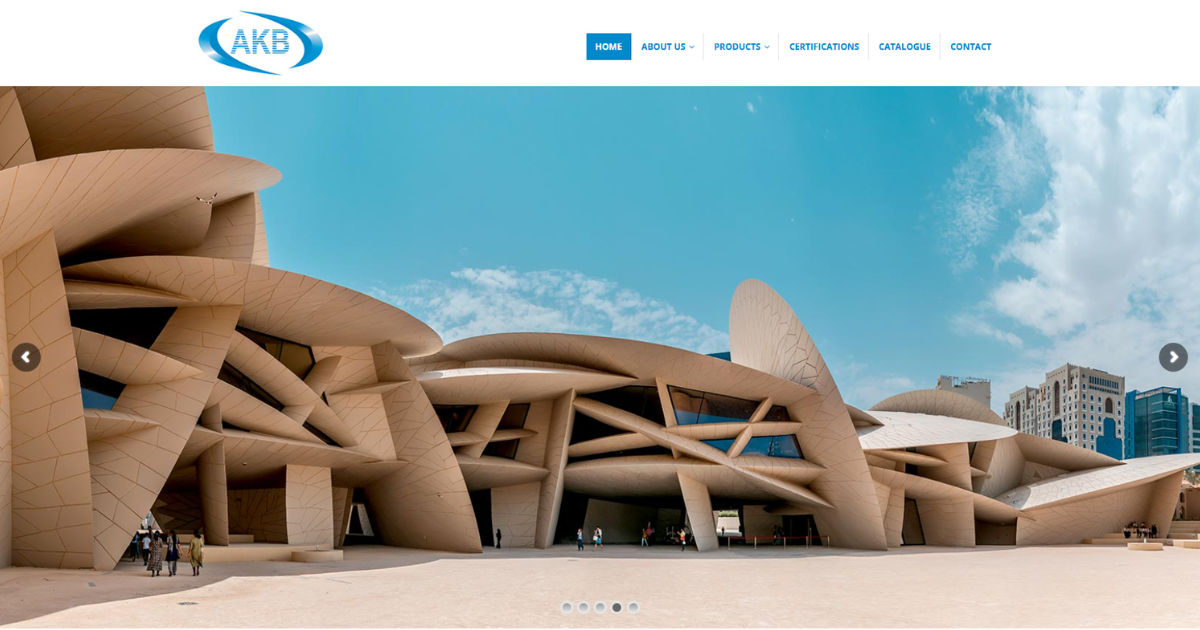
Companies like Akbari Engineering emphasize that a building's façade is often the first impression it makes on the viewer, blending both beauty and performance.

But what exactly is a building façade, and why is it so essential in architecture? This guide will explore every aspect of building façades, from their history to types, materials, design considerations, and maintenance.

The Building Façade

A building façade refers to the exterior front or face of a building. It is the architectural element that defines the visual character of a structure, often embodying both style and purpose. While many think of façades simply as decorative shells, they perform several critical roles, including providing protection against the elements, enhancing energy efficiency, and supporting structural stability.

Façades are often the signature feature of architectural design. They can be minimalist and modern, rich and ornate, or even adaptive to environmental conditions. Companies like Akbari Engineering specialize in crafting façades that harmonize functionality with aesthetic excellence, ensuring buildings are both visually striking and practically resilient.

Historical Evolution of Building Façades

The concept of the building façade has evolved significantly over centuries. In classical architecture, façades were heavily ornamented to reflect status, culture, and artistic sensibilities. Roman and Greek buildings often featured columns, pediments, and intricate carvings. The façade was a symbol of power and sophistication, demonstrating the wealth of the owners.

During the Renaissance, façades became even more sophisticated, balancing symmetry and proportion. Architects emphasized harmony between the façade and the interior spaces, making façades a representation of architectural mastery. Gothic architecture introduced verticality and ornate details like flying buttresses and pointed arches, creating dramatic exteriors that inspired awe.

In contemporary architecture, façades are designed with a focus on sustainability, innovation, and technology. Glass, steel, and composite panels dominate modern façades, allowing natural light, ventilation, and energy efficiency while maintaining a visually stunning exterior. Companies like Akbari Engineering have pioneered modern façade technologies, incorporating smart materials and energy-efficient systems that make buildings both beautiful and environmentally responsible.

Functions of a Building Façade

A building façade is more than just an aesthetic feature. Its design and construction have multiple practical purposes:

Protection

The façade acts as a barrier against weather conditions such as rain, wind, sunlight, and extreme temperatures. High-quality façades can prevent water penetration and reduce heat gain or loss, enhancing the durability of the building.

Energy Efficiency

Modern façades contribute significantly to energy efficiency. By using insulated panels, double-glazed windows, and reflective surfaces, façades help regulate indoor temperature, reducing the need for heating and cooling. Akbari Engineering incorporates energy-efficient façade designs that lower energy consumption and create comfortable indoor environments.

Noise Reduction

In urban areas, façades also serve as noise buffers. Acoustic panels and specialized glass reduce external noise, ensuring indoor spaces remain quiet and peaceful.

Aesthetic Appeal

The visual aspect of a façade can define the identity of a building. It conveys style, purpose, and architectural character. A well-designed façade can make a building stand out, attract visitors, and enhance its overall market value.

Structural Support

Some façades, known as curtain walls or ventilated façades, also contribute to the structural integrity of the building. They can absorb wind loads and provide additional reinforcement without compromising the interior layout.

Key Components of a Building Façade

Understanding the components of a façade helps architects and engineers design more functional and appealing buildings. Key elements include:

Cladding

Cladding refers to the outermost layer of the façade. It protects the building from weather while enhancing its appearance. Materials for cladding include glass, metal panels, stone, brick, and composite materials.

Windows and Glazing

Windows are a critical part of any façade. Modern façades often incorporate large glass panels to maximize natural light. Glazing technologies, such as double or triple glazing, improve energy efficiency and provide thermal insulation.

Frames and Structural Supports

Frames provide the skeleton for the façade. Materials like steel, aluminum, and reinforced concrete are commonly used to support cladding, glass, and other façade elements.

Decorative Elements

While modern façades lean toward minimalism, decorative elements like louvers, fins, and patterns can enhance visual appeal. These elements can also have functional purposes, such as shading or ventilation.

Balconies and Protrusions

Some façades incorporate balconies or overhangs, adding depth and dimension. These features are both aesthetic and functional, providing outdoor spaces and improving airflow.

Types of Building Façades

Building façades come in various types, each serving different purposes and design philosophies. The choice of façade depends on climate, building function, and architectural style.

Curtain Wall Façade

Curtain walls are non-structural outer walls that can be made of glass, metal, or stone. They are lightweight and flexible, often used in high-rise buildings. Curtain walls provide thermal insulation and allow natural light to penetrate deep into the building.

Ventilated Façade

Ventilated façades have a gap between the cladding and the structural wall, allowing air to circulate. This improves insulation and reduces heat accumulation, making them ideal for hot climates.

Masonry Façade

Traditional masonry façades use bricks, stones, or concrete blocks. They offer durability and a timeless aesthetic but are heavier and require more maintenance.

Glass Façade

Glass façades are popular in modern commercial buildings. They provide transparency, natural light, and sleek aesthetics. Advanced glazing technologies allow for energy efficiency and temperature control.

Green Façade

Green façades incorporate plants and vegetation into the building’s exterior. They improve air quality, reduce heat, and create a visually pleasing, eco-friendly environment. Companies like Akbari Engineering are exploring innovative green façade solutions for urban projects.

Hybrid Façade

Hybrid façades combine multiple materials and technologies to balance aesthetics, functionality, and sustainability. For instance, a building may use glass panels, metal cladding, and integrated solar shading.

Materials Used in Building Façades

The choice of material directly impacts the performance, durability, and visual appeal of a façade. Common materials include:

Glass

Glass is a favorite in modern architecture for its transparency and sleek look. It allows natural light while maintaining insulation. Smart glass technologies can control light and heat transmission.

Metal

Aluminum, steel, and copper are commonly used for their strength, flexibility, and modern appearance. Metals are durable, recyclable, and can be fabricated into various forms.

Stone

Stone façades provide a natural, timeless aesthetic. Materials like granite, marble, and limestone are durable and weather-resistant but often heavier and more expensive.

Brick

Brick façades are classic and versatile. They offer thermal mass, durability, and a range of colors and textures. Brick is particularly suitable for traditional or rustic architectural styles.

Composite Materials

Composites combine materials like aluminum and polymer to create lightweight, durable, and flexible façades. They allow intricate designs and are often low-maintenance.

Wood

Wood provides warmth and a natural aesthetic. However, it requires regular maintenance to protect against weather and pests. Engineered wood and treated timber are modern solutions to these challenges.

Design Considerations for Façades

Designing a façade involves balancing aesthetics, functionality, and sustainability. Architects and engineers must consider:

Climate and Environmental Conditions

Façades must withstand local weather conditions, such as heavy rain, wind, or extreme heat. Materials and design techniques should optimize insulation and durability.

Building Function

Residential, commercial, or industrial buildings have different requirements. Residential buildings may prioritize privacy and aesthetics, while commercial buildings focus on visibility, branding, and energy efficiency.

Energy Efficiency

Sustainable design is critical. Façades can incorporate insulation, shading devices, and reflective materials to reduce energy consumption and improve comfort.

Maintenance and Durability

Some façade materials require frequent maintenance, while others are low-maintenance. Durability is a key factor, especially for high-rise buildings.

Architectural Style

The façade should reflect the overall architectural vision. Whether modern, traditional, or futuristic, the façade sets the tone for the entire building.

Safety and Regulations

Façades must comply with safety standards, including fire resistance, structural stability, and seismic performance. Engineering firms like Akbari Engineering ensure that every façade meets regulatory requirements.

Common Façade Technologies

Modern façades are no longer just walls—they are sophisticated systems that integrate multiple technologies.

Double-Skin Façade

This system consists of two layers of façades with a ventilated gap. It improves insulation, reduces noise, and allows natural ventilation.

Dynamic Façade

Dynamic façades can change in response to environmental conditions, such as sunlight or temperature. Automated shading systems, adjustable panels, and smart glass are common examples.

Prefabricated Panels

Prefabricated façade panels are manufactured off-site and assembled on-site. This reduces construction time and ensures high quality and consistency.

Solar Façades

Some façades incorporate photovoltaic panels to generate electricity. Solar façades provide energy efficiency while integrating seamlessly with the building design.

Challenges in Façade Design

Designing and constructing façades comes with challenges:

  • Balancing aesthetics with functionality.
  • Ensuring energy efficiency without compromising design.
  • Meeting local building codes and safety regulations.
  • Managing costs while using high-quality materials.
  • Maintenance of materials, especially glass and metals, in harsh climates.

Façade Maintenance and Longevity

Maintenance is critical for the longevity of a façade. Regular inspections, cleaning, and repairs prevent deterioration. For instance, glass façades may require periodic washing, while stone or brick façades may need repointing or sealing. Companies like Akbari Engineering offer maintenance solutions to ensure façades remain functional and attractive for decades.

Future Trends in Façade Design

The future of façades is moving toward sustainability, innovation, and interactivity:

  • Smart façades that respond to sunlight, wind, and temperature.
  • Green façades with vertical gardens and integrated ecosystems.
  • Energy-generating façades using solar panels and kinetic surfaces.
  • Lightweight and modular materials for faster construction and adaptability.
  • Emphasis on biophilic design, connecting buildings with nature.

Conclusion

A building façade is far more than a decorative exterior; it is a vital component that defines a building’s identity, efficiency, and longevity. From historical ornamentation to modern energy-efficient glass walls, façades combine aesthetics and functionality to meet both human and environmental needs. Companies like Akbari Engineering lead the way in innovative façade design, ensuring structures are not only visually stunning but also sustainable and durable. By understanding materials, types, technologies, and maintenance requirements, architects, engineers, and building owners can make informed decisions that enhance the building's performance and appeal. A well-designed façade ultimately reflects the vision, culture, and future-readiness of a building, proving that the outer shell is as important as the interior it protects.

how does Pakistani cuisine adapt in Saudi Arabia?how does Pakistani cuisine adapt in Saudi Arabia?

Pakistani cuisine has a rich heritage, blending flavors, spices, and cooking techniques that reflect the diverse cultures of Pakistan. From aromatic biryanis to spicy curries and succulent kebabs, Pakistani food is beloved by millions.

But how does this cuisine adapt when it moves beyond its borders, especially to countries like Saudi Arabia?

This guide explores how Pakistani food has evolved in Saudi Arabia, how local tastes and ingredients influence it, and how restaurants like Miraj Green Makkah play a pivotal role in keeping Pakistani flavors alive for expatriates and locals alike.

The Pakistani Food Culture

Pakistani food is defined by its diversity. Each region contributes unique dishes. Punjab is known for its rich, meaty curries and tandoori bread, Sindh offers spicy fish and rice dishes, Balochistan is famous for its grilled meats, and Khyber Pakhtunkhwa brings simple, hearty flavors. Central to Pakistani cuisine is the use of aromatic spices—cumin, coriander, cardamom, cinnamon, and garam masala—that give dishes their signature taste. Meals often revolve around rice, flatbreads, lentils, vegetables, and meat, with an emphasis on communal eating and hospitality.

When Pakistanis move abroad, they carry this culinary heritage with them. In Saudi Arabia, a country with a large Pakistani expatriate population, Pakistani cuisine has found fertile ground. However, adaptation is necessary due to differences in local tastes, ingredient availability, and cultural preferences.

Pakistani Cuisine in Saudi Arabia

Saudi Arabia’s food culture is deeply rooted in Arabic and Middle Eastern traditions. Meals are often simpler, with a focus on rice, bread, lamb, chicken, dates, and legumes. While spices are used, they are generally milder than those in Pakistani cuisine.

When Pakistani chefs and restaurateurs set up restaurants in Saudi cities like Riyadh, Jeddah, and Makkah, they face the challenge of balancing authentic flavors with local preferences. This adaptation has led to several interesting trends:

  1. Milder Spice Levels – Many traditional Pakistani dishes are spicy. In Saudi Arabia, chefs often reduce the heat level to appeal to local tastes while retaining the essence of the dish.
  2. Ingredient Substitutions – Certain Pakistani staples, like specific types of lentils or vegetables, may be difficult to source in Saudi markets. Chefs creatively substitute with locally available ingredients while maintaining the integrity of the dish.
  3. Fusion Flavors – Some dishes blend Pakistani techniques with Middle Eastern flavors. For example, kebabs may include sumac or saffron, and biryanis may use Saudi-style rice or incorporate dates for sweetness.
  4. Halal Standards – While Pakistani cuisine is generally halal, Saudi Arabia enforces strict halal certification. Pakistani restaurants ensure that all ingredients meet local regulations, which sometimes influences sourcing and preparation methods.

Restaurants like Miraj Green Makkah exemplify how Pakistani cuisine can thrive abroad. They maintain authentic recipes while accommodating local tastes, offering both traditional dishes and innovative adaptations that appeal to Saudis and expatriates alike.

Popular Pakistani Dishes in Saudi Arabia

Several Pakistani dishes have become favorites among the Saudi public, especially in cities with a high concentration of Pakistani expatriates.

Biryani

Biryani is perhaps the most popular Pakistani dish in Saudi Arabia. The fragrant basmati rice, mixed with meat, spices, and sometimes vegetables, is a dish that transcends borders. However, in Saudi Arabia, biryani is often cooked with less chili and sometimes incorporates local nuts and dried fruits for added texture. Restaurants like Miraj Green Makkah serve biryani that stays true to its Pakistani roots while catering to Saudi palates.

Karahi and Curries

Karahi dishes, made in a deep, wok-like pan, are a staple of Pakistani cuisine. In Saudi Arabia, chicken karahi and mutton karahi are commonly served, often with slightly less oil and moderate spice. Similarly, curries like nihari or korma are adapted to balance flavors without overwhelming local taste buds.

Kebabs and Grilled Meats

Grilled meats, especially seekh kebabs and chapli kebabs, are extremely popular in Saudi Arabia. Saudi cuisine also emphasizes grilled meats, so the flavors align well. Pakistani chefs often marinate meats with traditional spices but may include local flavors like za’atar or sumac.

Sweets and Desserts

Pakistani desserts such as gulab jamun, kheer, and jalebi have found a sweet spot in Saudi Arabia’s dessert culture. Shops and restaurants, including Miraj Green Makkah, offer desserts that combine traditional Pakistani recipes with local ingredients like dates, honey, and saffron.

Adapting to Local Markets

Pakistani restaurants in Saudi Arabia must also consider the commercial environment. Expatriates look for authentic flavors, while local Saudis may seek milder options. Restaurants respond by offering menu variations, combo meals, and promotional items that appeal to both groups.

For instance, a restaurant might offer “mild” and “spicy” versions of the same dish, allowing customers to select based on their tolerance for heat. Packaging and presentation are also adapted to local expectations, emphasizing cleanliness, visual appeal, and portion sizes suitable for Saudi dining habits.

Role of Pakistani Expatriates

The Pakistani expatriate community in Saudi Arabia plays a crucial role in preserving authentic cuisine. They frequent restaurants like Miraj Green Makkah, buy Pakistani spices from local markets, and even host home-cooked meals for community events. This consistent demand for authentic flavors encourages restaurants to maintain quality and resist excessive modification of traditional recipes.

Challenges for Pakistani Cuisine in Saudi Arabia

Despite its popularity, Pakistani cuisine faces several challenges in Saudi Arabia:

  1. Ingredient Availability – Certain spices, herbs, and vegetables are imported, which increases cost and limits availability.
  2. Competition with Local Cuisine – Saudi food culture has its own rich offerings, and Pakistani cuisine must carve out a niche to attract locals without alienating expatriates.
  3. Health and Dietary Trends – Saudi Arabia has a growing focus on health-conscious dining. Some traditional Pakistani dishes are rich in oil and spices, so restaurants are adapting by offering healthier versions.
  4. Cultural Differences – Eating habits and meal timing in Saudi Arabia may differ from Pakistan. For instance, large family-style meals may need adjustments in portion sizes and serving styles.

Successful Adaptation Strategies

Several strategies have helped Pakistani cuisine thrive in Saudi Arabia:

  • Menu Diversification – Offering both traditional dishes and locally inspired variations helps cater to a wider audience.
  • Quality Ingredients – Maintaining the quality of meat, rice, and spices builds trust among expatriates and locals alike.
  • Customer Engagement – Restaurants engage with customers through feedback, ensuring dishes meet taste expectations.
  • Cultural Respect – Observing Saudi customs, such as avoiding pork or alcohol in recipes, ensures broader acceptance.

Case Study: Miraj Green Makkah

Miraj Green Makkah is a prime example of Pakistani cuisine successfully adapting in Saudi Arabia. Located in Makkah, the restaurant has built a reputation for authenticity and quality.

They achieve this by sourcing premium ingredients, balancing traditional Pakistani spice profiles with milder variations for locals, and offering a menu that includes both classics like biryani and innovative dishes inspired by Saudi flavors. Their approach demonstrates that Pakistani cuisine can retain its identity while thriving in a new cultural environment.

Home Cooking vs. Restaurants

While restaurants adapt recipes for local tastes, home-cooked Pakistani meals in Saudi Arabia often remain more authentic. Pakistani families often import spices, grains, and lentils from Pakistan or buy them from specialized stores. This allows them to maintain traditional cooking practices and flavors, particularly during religious festivals and cultural celebrations.

Cultural Exchange Through Food

Pakistani cuisine in Saudi Arabia is more than just meals; it is a medium for cultural exchange. Local Saudis get exposure to Pakistani flavors, techniques, and dining customs. Similarly, Pakistani expatriates share their food heritage, strengthening community bonds. Restaurants, social gatherings, and food festivals create a platform for this cultural dialogue.

Adapting Festivals and Special Occasions

Food is central to Pakistani festivals like Eid, Ramadan, and weddings. In Saudi Arabia, Pakistani communities adapt these celebrations with available ingredients and local preferences. For instance, if specific sweets are hard to find, alternatives are made using locally available nuts or dates. Restaurants often create festival specials to cater to these occasions, blending tradition with practicality.

Future Trends

The future of Pakistani cuisine in Saudi Arabia looks promising. Some emerging trends include:

  • Fusion Cuisine Expansion – More creative blends of Pakistani and Middle Eastern flavors.
  • Health-Conscious Menus – Low-oil, low-spice versions of traditional dishes.
  • Delivery and Online Platforms – Expanding reach to cater to busy expatriates and locals.
  • Culinary Education – Pakistani chefs training Saudis and other expatriates in authentic cooking techniques.

Conclusion

Pakistani cuisine has successfully adapted to Saudi Arabia, balancing authenticity with local preferences. While challenges exist, innovative chefs and restaurants like Miraj Green Makkah ensure that traditional flavors remain accessible and enjoyable. By adjusting spice levels, substituting ingredients, and blending flavors, Pakistani food continues to thrive in a foreign market while offering a cultural bridge between Pakistanis and Saudis. The adaptability of this cuisine proves that food is not just sustenance—it is a cultural ambassador, a connector, and a celebration of shared human experience.

Whether enjoyed in a restaurant or at home, Pakistani cuisine in Saudi Arabia demonstrates the resilience and universality of culinary traditions. As expatriate communities grow and cross-cultural exchange deepens, the flavors of Pakistan will continue to find a place in the hearts and taste buds of people around the world.


structural principles behind frameless glass installationsstructural principles behind frameless glass installations

Frameless glass installations have transformed modern architecture with their sleek, minimalist aesthetic. From luxury residential buildings to commercial spaces, frameless glass panels create a sense of openness and elegance that traditional framed structures cannot match.

When discussing high-quality frameless installations, Akbari glass often comes to mind as a trusted provider in the industry. Understanding the structural principles behind these installations is crucial for architects, builders, and homeowners alike.

Frameless glass panels are more than just large sheets of glass—they are sophisticated engineering solutions designed to balance aesthetics, safety, and structural integrity.

This guide will explore these principles in depth, covering material properties, support systems, design considerations, and installation techniques.


Frameless Glass Installations

Frameless glass refers to panels that do not rely on traditional frames or mullions for support. Instead, the glass itself serves as the primary structural element, often secured using minimal hardware. The result is a seamless, modern look that allows maximum light transmission and visual continuity.

Unlike framed glass, which uses metal or wooden frames to bear the load and hold the panels, frameless glass must be carefully engineered to handle weight, stress, and environmental factors without compromising safety. Akbari glass specializes in producing tempered and laminated glass that meets these high structural demands.


Key Material Properties

The structural performance of frameless glass begins with the material itself. There are two main types of glass used in frameless installations:

Tempered Glass

Tempered glass is heat-treated to increase strength. It is roughly four to five times stronger than regular annealed glass. When broken, it shatters into small, granular pieces, reducing the risk of serious injury.

Tempered glass is ideal for frameless installations because it can withstand high wind loads, sudden impacts, and temperature changes. The thickness of the glass is crucial, often ranging from 10 mm to 25 mm for floor-to-ceiling panels.

Laminated Glass

Laminated glass consists of two or more layers of glass bonded with a plastic interlayer. This structure prevents the glass from shattering completely upon impact, holding fragments in place.

Laminated glass is commonly used in areas requiring additional safety, such as staircases, balustrades, or overhead panels. Akbari glass provides both tempered and laminated options, tailored to specific design and safety requirements.


Structural Principles of Frameless Glass

Frameless glass installations rely on several engineering principles to ensure stability and safety. These principles include load distribution, support points, and edge finishing.

Load Distribution

Glass is a brittle material, which means it can fail under tension or bending stress. To counter this, frameless panels are designed to distribute loads evenly.

The load on a frameless glass panel may come from wind pressure, human contact, or structural movement. Engineers calculate these loads and select appropriate thickness and glass type. Laminated glass with multiple layers often provides a safety margin against unexpected loads.

Support Points

Even frameless glass requires support points to secure the panel. These points can include:

  • Floor channels or base shoes: Grooves or channels embedded in the floor hold the glass in place.
  • Clamp systems: Stainless steel or aluminum clamps grip the edges of the glass.
  • Point-fixings: Bolts or spider fittings anchor the glass at specific points, minimizing the need for frames.

The placement of support points is critical. Incorrect spacing can lead to bending, bowing, or even catastrophic failure. Akbari glass engineers follow precise calculations for spacing, load, and glass thickness.

Edge Finishing

The edges of frameless glass are structural as well as aesthetic. Polished or beveled edges reduce the risk of chipping and distribute stress along the perimeter. Rounded or chamfered edges are preferred in high-traffic areas to enhance safety.


Design Considerations

Designing frameless glass installations involves more than choosing glass type and thickness. Architects and engineers must consider structural integrity, aesthetics, and functionality.

Panel Size

The size of the glass panel directly impacts its structural performance. Larger panels require thicker glass and more sophisticated support systems. There is a balance between achieving a seamless look and ensuring safety.

Glass Thickness

Glass thickness is determined by height, width, wind load, and intended use. For example, a 12 mm panel may suffice for a small balustrade, but a floor-to-ceiling partition may need 19–25 mm tempered or laminated glass.

Environmental Factors

Wind, temperature changes, and humidity all affect the performance of frameless glass. Outdoor installations, such as facades or balcony panels, require tempered glass with proper anchoring. Indoor installations may allow for slightly thinner panels but still demand precise support.

Safety Considerations

Frameless glass installations must comply with local building codes. Safety measures include laminated glass for fall protection, tempered glass for impact resistance, and secure hardware for anchoring. Akbari glass ensures all products meet international safety standards.


Common Types of Frameless Glass Installations

Frameless glass is versatile and can be used in various applications. Each type has unique structural considerations.

Glass Balustrades

Glass balustrades are popular in staircases, terraces, and balconies. They require robust anchoring at the base and may use clamps or channels. Laminated glass is preferred to prevent injuries in case of breakage.

Glass Partitions

Office spaces often use frameless glass partitions to maximize natural light. These panels are usually floor-to-ceiling and fixed with minimal hardware. Thickness, support, and edge finishing are carefully engineered to prevent sagging or movement.

Glass Facades

Frameless glass facades create modern, transparent building exteriors. They require meticulous calculation of wind loads and thermal expansion. Spider fittings and structural silicone are often used for support.

Shower Enclosures

In bathrooms, frameless glass shower enclosures provide a luxurious and minimal look. Tempered glass is essential, and edge clamps or hinges secure the panels. Precision in alignment and sealing is key to prevent leaks.


Installation Techniques

Proper installation is as important as design and material choice. Frameless glass requires skilled professionals and precise methods.

Preparing the Site

The installation site must be level and free of debris. Any uneven surfaces can compromise stability and safety. For floor-mounted systems, channels or base supports must be securely anchored to the concrete or subfloor.

Handling Glass Panels

Glass panels are heavy and fragile. Special suction lifters, gloves, and padding are used to prevent damage during transport and placement. Proper handling reduces the risk of chips, cracks, or breaks.

Fixing and Securing

Clamps, channels, and point-fixings must be installed according to manufacturer specifications. Each fixing point distributes the load, minimizing stress on the glass.

Alignment and Sealing

Once fixed, panels are aligned carefully to achieve a seamless appearance. Silicone or gaskets are often applied along edges to accommodate thermal expansion and prevent vibration or rattling.


Maintenance Principles

Maintaining frameless glass installations is essential to preserve both aesthetics and safety.

Cleaning

Glass panels should be cleaned regularly with non-abrasive cleaners. Avoid harsh chemicals that can damage the surface or edge finishing.

Hardware Inspection

Clamps, bolts, and base channels should be inspected periodically. Any loosening or corrosion must be addressed immediately to prevent accidents.

Preventing Damage

Although tempered and laminated glass is durable, heavy impacts can still cause breakage. Avoid leaning heavy objects against frameless panels or applying excessive force.


Advantages of Frameless Glass

Frameless glass offers multiple benefits:

  • Aesthetic appeal: Provides a modern, clean, and open look.
  • Light transmission: Maximizes natural light in indoor spaces.
  • Space perception: Creates an illusion of more space by reducing visual barriers.
  • Durability: Properly engineered panels are strong and long-lasting.
  • Safety: Laminated and tempered options reduce the risk of injury.

Challenges and Considerations

Despite its benefits, frameless glass installations present challenges:

  • High cost: Premium glass and precision installation can be expensive.
  • Complex installation: Requires skilled professionals and careful planning.
  • Maintenance: Regular inspection and cleaning are necessary.
  • Environmental sensitivity: Outdoor panels must withstand weather conditions and UV exposure.

Akbari glass addresses these challenges by providing engineered solutions, professional installation guidance, and durable materials.


Case Studies and Applications

Frameless glass installations have been applied in diverse settings:

  • Residential: Luxury homes use glass staircases, terraces, and balcony railings for a seamless, open look.
  • Commercial: Office buildings rely on glass partitions to enhance natural light and visibility.
  • Retail: Stores use glass facades to attract customers with clear displays.
  • Hospitality: Hotels incorporate glass balustrades, shower enclosures, and lobby partitions to create modern, inviting spaces.

Each application requires specific engineering considerations, from glass type to support system, ensuring safety and aesthetics.


Future Trends in Frameless Glass

The future of frameless glass installations involves technological and material advancements:

  • Smart glass: Switchable glass that adjusts opacity for privacy and energy efficiency.
  • Structural silicone glazing: Adhesive systems that reduce the need for visible hardware.
  • Thinner yet stronger panels: New manufacturing techniques allow larger panels without increasing thickness.
  • Sustainable materials: Eco-friendly glass production and recycling are becoming industry standards.

These trends make frameless glass even more versatile and appealing in modern construction.


Conclusion

Frameless glass installations represent the perfect combination of engineering, design, and aesthetics. Understanding the structural principles—load distribution, support points, edge finishing, and material selection—is essential for safe and effective installations.

Companies like Akbari glass provide high-quality tempered and laminated panels that meet stringent safety standards, ensuring durability, elegance, and functionality. Proper installation, maintenance, and attention to environmental factors are key to maximizing the benefits of frameless glass.

From residential projects to commercial and hospitality applications, frameless glass continues to redefine modern architecture. Its ability to create open, light-filled, and visually appealing spaces makes it a favorite among architects and homeowners alike. By following the principles outlined in this guide, anyone considering frameless glass can ensure a safe, durable, and stunning installation.

Frameless glass is more than a design choice; it is an engineering marvel that brings beauty and practicality together in a single, transparent solution. Whether for aesthetic appeal, natural light optimization, or safety, understanding these principles is the key to successful installations.

The Rise Of Online Gambling: Convenience, Risks, And RegulationsThe Rise Of Online Gambling: Convenience, Risks, And Regulations

Online play has become a multi-billion-dollar manufacture, attracting millions of players worldwide. With the rise of net handiness and mobile applied science, play platforms have enlarged chop-chop, offer everything from poker and sports card-playing to online casinos and lottery games. Unlike orthodox brick-and-mortar casinos, online gambling provides unmated convenience, allowing users to aim bets from the solace of their homes or even on the go through mobile apps. This availability has played a substantial role in the industry s speedy growth, making it one of the most profitable sectors in the whole number economy.

The Convenience Factor

One of the biggest appeals of online gambling is its convenience. Players no yearner need to jaunt to a gambling casino; instead, they can log in to a site or open an app and take up playing in a flash. This has led to a surge in involvement, especially among younger demographics who favour integer amusement over orthodox gaming experiences. Additionally, online platforms volunteer a wide variety of games that cater to different interests and skill levels, from simpleton slot machines to complex scheme-based card games. The power to adventure anytime and anywhere makes online gambling an attractive selection for many players.

Risks and Dangers of Online Gambling

While online play offers amusement and the potentiality for business gains, it also comes with significant risks. One of the primary quill concerns is dependency. Since online danatogel is available 24 7, it can be easy for players to lose track of time and money, leading to behaviour. Many gaming sites use psychological tactic, such as flash lights, celebratory sounds, and near-miss experiences, to keep players busy and outlay more. Additionally, financial losings can accumulate quickly, and since digital proceedings are minute, it is easy to lose big amounts without realizing it. Problem play can have serious consequences, touching mental health, relationships, and commercial enterprise stability.

Legal and Regulatory Challenges

The legality of online gaming varies widely from commonwealth to state. Some governments have full legalized and thermostated the industry, implementing strict guidelines to ensure fair play and responsible for gambling. Others have imposed bans or restrictions, citing concerns over dependence, money laundering, and impostor. However, many players bypass these restrictions using sea gambling sites, which often operate in jurisdictions with indulgent regulations. This creates challenges for law agencies trying to prevent bootleg play trading operations and protect consumers. In reply, many countries have started implementing stricter regulations, requiring gambling operators to find licenses and observe responsible gambling practices, such as self-exclusion programs and posit limits.

The Future of Online Gambling

As engineering science continues to evolve, the online play industry is expected to grow even further. Innovations like realistic reality(VR) casinos, cryptocurrency payments, and painted intelligence-driven play experiences are transforming the way populate chance online. While these advancements enhance user undergo, they also upraise new concerns regarding rule and responsible for play. Governments and manufacture leaders must find a poise between allowing innovation and protective players from the dangers of inordinate play. With the right regulations and responsible gaming measures in point, online gaming can preserve to fly high while minimizing harm to individuals and smart set.

how online quran academy classes are structured?how online quran academy classes are structured?

In recent years, the demand for an Online Quran academy has grown rapidly across the world. Families now prefer flexible, accessible, and personalized Quran learning solutions that fit into their daily routines.

Whether for children, teenagers, or adults, an Online Quran academy offers structured classes that combine traditional Islamic teaching with modern technology.

Understanding how an Online Quran academy organizes its classes is essential before enrolling. Many people assume online learning is unstructured or casual, but in reality, these academies follow carefully designed systems.

From lesson planning to student assessment, every step is organized to ensure effective Quran learning.

This guide will explain in detail how classes in an Online Quran academy are structured. It will help you understand schedules, teaching methods, course types, and how students progress over time.


Why Structure Matters in Quran Learning

A well-structured system is the backbone of any successful Online Quran academy. Without structure, students may lose focus, struggle with consistency, or fail to achieve proper Tajweed and understanding.

Structure helps in:

  • Maintaining discipline and regularity
  • Tracking student progress
  • Ensuring proper pronunciation and memorization
  • Providing clear learning goals
  • Building a strong foundation step by step

Every reputable Online Quran academy follows a structured plan to guide students from basic to advanced levels.


Enrollment and Initial Assessment

Before starting classes, most Online Quran academy platforms conduct an initial assessment. This is a very important step because students come with different levels of knowledge.

Placement Evaluation

During this stage, the teacher evaluates:

  • Ability to recognize Arabic letters
  • Fluency in reading Quran
  • Knowledge of Tajweed rules
  • Memorization level (if any)

Based on this assessment, the student is placed in a suitable course. A good Online Quran academy ensures that students are neither overwhelmed nor under-challenged.


Class Scheduling System

One of the biggest advantages of an Online Quran academy is flexible scheduling. However, flexibility does not mean lack of structure.

Fixed Timetable

Students usually choose fixed days and times:

  • 3 days per week
  • 5 days per week
  • Weekend-only classes

Each class typically lasts:

  • 30 minutes (for kids)
  • 45 minutes to 1 hour (for adults)

A structured timetable ensures consistency, which is essential for Quran learning.

Time Zone Adjustment

An Online Quran academy caters to students worldwide. Therefore, classes are scheduled according to the student’s local time, making it convenient and manageable.


Types of Courses Offered

A professional Online Quran academy offers multiple structured courses to meet different learning needs.

Noorani Qaida Course

This is the beginner-level course designed for students who cannot read Arabic.

Key features:

  • Learning Arabic alphabets
  • Basic pronunciation
  • Introduction to Tajweed rules

This course builds the foundation for Quran reading.


Quran Reading Course

Once students complete the basics, they move to reading the Quran.

Focus areas:

  • Fluent recitation
  • Correct pronunciation
  • Application of Tajweed

An Online Quran academy ensures students read the Quran correctly without mistakes.


Tajweed Course

Tajweed is essential for proper recitation.

In this structured course, students learn:

  • Rules of Noon Sakinah and Meem Sakinah
  • Qalqalah rules
  • Proper articulation points (Makharij)

Each lesson is taught step by step to ensure clarity.


Quran Memorization (Hifz)

For students who want to memorize the Quran, an Online Quran academy provides a dedicated Hifz program.

Structure includes:

  • Daily memorization targets
  • Regular revision sessions
  • Weekly tests

Teachers closely monitor progress to ensure accuracy.


Translation and Tafsir

Advanced students can join courses focused on understanding the Quran.

Topics include:

  • Word-to-word translation
  • Contextual meanings
  • Explanation of verses

This course helps students connect deeply with the Quran.


Teaching Methodology

A structured teaching approach is what makes an Online Quran academy effective.

One-on-One Classes

Most academies offer personalized sessions.

Benefits include:

  • Individual attention
  • Customized pace
  • Immediate correction

This ensures better learning outcomes.


Interactive Learning Tools

Modern Online Quran academy platforms use digital tools such as:

  • Screen sharing
  • Digital whiteboards
  • Audio playback

These tools make lessons engaging and easier to understand.


Step-by-Step Progression

Lessons are divided into small, manageable steps.

For example:

  1. Learn a rule
  2. Practice it
  3. Apply it in Quran reading

This structured progression helps students retain knowledge effectively.


Role of the Teacher

Teachers play a central role in the structure of an Online Quran academy.

Qualified Instructors

Teachers are usually:

  • Certified in Quran teaching
  • Experienced in Tajweed
  • Fluent in multiple languages

Personalized Guidance

Teachers adapt lessons based on:

  • Student’s age
  • Learning speed
  • Weak areas

This makes the Online Quran academy experience highly effective.


Daily Class Structure

Each class in an Online Quran academy follows a consistent format.

Typical Session Flow

  1. Revision of previous lesson
  2. Introduction of new topic
  3. Practice and correction
  4. Homework assignment

This structure ensures continuous improvement.


Homework and Practice

Practice is essential for Quran learning.

An Online Quran academy assigns:

  • Daily reading tasks
  • Memorization exercises
  • Tajweed practice

Students are encouraged to revise regularly outside class.


Assessment and Progress Tracking

Tracking progress is a key part of any Online Quran academy.

Regular Tests

Students are evaluated through:

  • Weekly assessments
  • Monthly tests
  • Recitation checks

Progress Reports

Parents and students receive reports that include:

  • Strengths
  • Areas for improvement
  • Attendance record

This helps maintain accountability.


Communication with Parents

For younger students, an Online Quran academy keeps parents involved.

Updates and Feedback

Parents receive:

  • Regular progress updates
  • Teacher feedback
  • Suggestions for improvement

This ensures a supportive learning environment at home.


Use of Technology in Class Structure

Technology plays a major role in structuring an Online Quran academy.

Platforms Used

Common tools include:

  • Video conferencing apps
  • Learning management systems
  • Digital Quran software

Recording and Playback

Some academies provide recorded sessions, allowing students to:

  • Review lessons
  • Practice again
  • Improve mistakes

This enhances learning quality.


Flexibility vs Discipline

While flexibility is a benefit, discipline is equally important.

A good Online Quran academy balances both by:

  • Offering rescheduling options
  • Maintaining attendance rules
  • Encouraging consistency

This ensures students stay committed.


Gender-Specific Classes

Many families prefer gender-specific learning.

An Online Quran academy often provides:

  • Male teachers for boys
  • Female teachers for girls

This adds comfort and cultural compatibility.


Trial Classes

Before full enrollment, most Online Quran academy services offer trial classes.

Purpose of trial:

  • Evaluate teaching style
  • Check student comfort
  • Understand class structure

This helps families make informed decisions.


Class Levels and Progression

Students progress through levels in a structured way.

Beginner Level

  • Basic Arabic
  • Simple reading

Intermediate Level

  • Fluent reading
  • Tajweed application

Advanced Level

  • Memorization
  • Translation and Tafsir

Each level builds on the previous one, ensuring steady growth.


Common Challenges and Solutions

Even with a structured system, students may face challenges.

Lack of Focus

Solution:

  • Shorter classes
  • Interactive methods

Pronunciation Issues

Solution:

  • Repetition
  • Teacher correction

Irregular Attendance

Solution:

  • Fixed schedule
  • Parental involvement

A well-managed Online Quran academy addresses these issues effectively.


Benefits of Structured Online Quran Classes

A structured Online Quran academy provides many advantages:

  • Consistent learning
  • Better retention
  • Clear progress tracking
  • Personalized teaching
  • Flexible scheduling

These benefits make online Quran learning highly effective.


Tips for Students and Parents

To get the best results from an Online Quran academy:

  • Maintain regular attendance
  • Practice daily
  • Communicate with teachers
  • Set clear goals
  • Stay patient and consistent

Future of Online Quran Learning

The future of the Online Quran academy system looks promising.

With advancements in technology:

  • AI-based learning tools may be introduced
  • More interactive platforms will emerge
  • Global access will continue to expand

This will further improve the structure and quality of Quran education.


Conclusion

An Online Quran academy is not just a convenient alternative to traditional learning—it is a well-structured system designed to provide high-quality Quran education. From enrollment to advanced learning, every step is carefully planned to ensure students achieve their goals.

The structured approach includes proper scheduling, personalized teaching, regular assessments, and the use of modern technology. These elements work together to create an effective learning environment for students of all ages.

Whether someone is starting from scratch or looking to deepen their understanding, an Online Quran academy provides a clear and organized path. With discipline, consistency, and the right guidance, students can successfully learn to read, recite, memorize, and understand the Quran.

Choosing the right academy and following its structured system can make a significant difference in the learning journey. In today’s digital world, an Online Quran academy offers a powerful and accessible way to connect with the Quran while maintaining quality and authenticity.